Give Us a Call!
(612) 998-9500
Give Us a Call!
(612) 998-9500 


Board and batten siding has become one of the most popular exterior design trends, blending classic farmhouse charm with modern curb appeal. Whether you already have this siding style or are considering it for your next home upgrade, understanding its care, installation, and cost is essential. For homeowners in Woodbury and surrounding areas, proper maintenance and professional installation ensure your siding looks beautiful and performs flawlessly for decades.
- Timeless style: Board and batten siding offers a rustic yet modern look that enhances any architectural design.
- Durability: When properly maintained, it provides lasting protection against the elements.
- Value: Quality materials and expert installation improve both curb appeal and resale value.

What Is Board and Batten Siding?
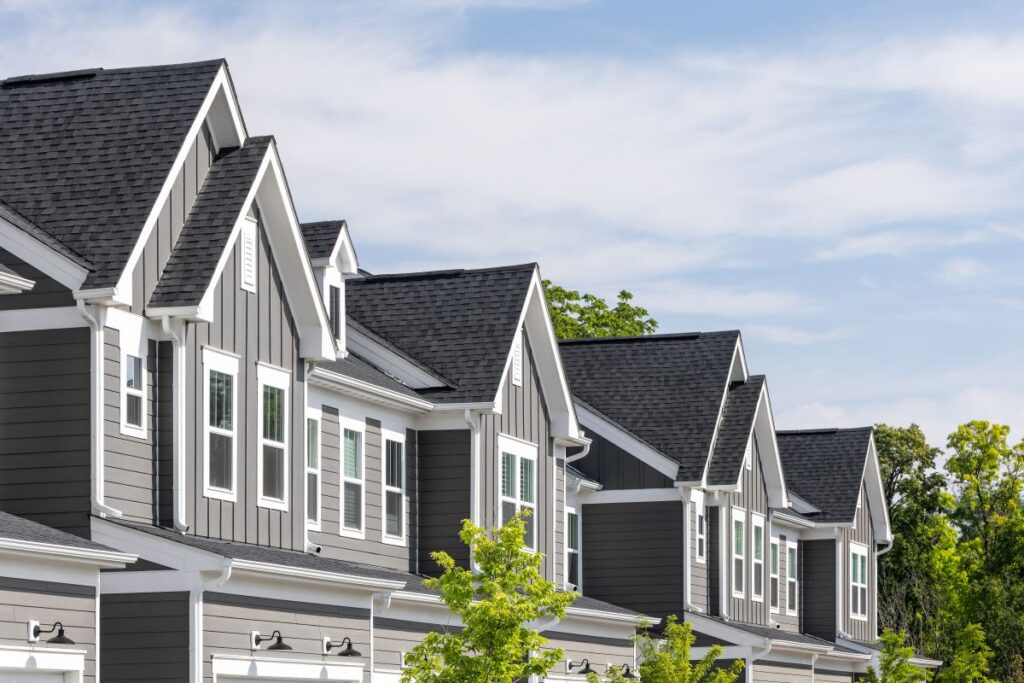
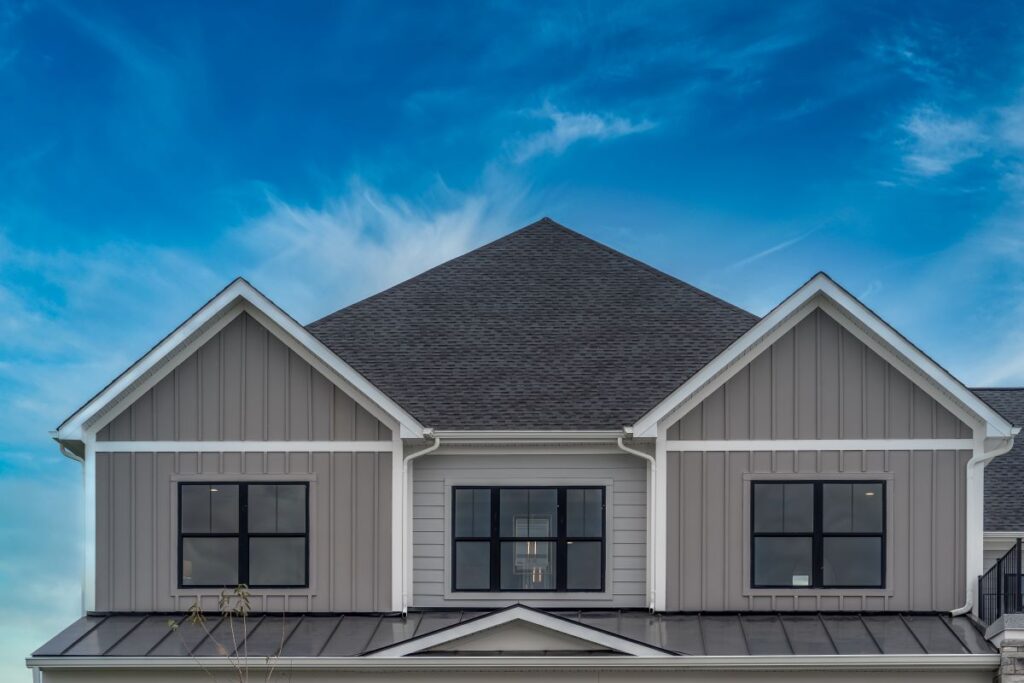
Board and batten siding is a vertical panel system made from wide boards placed side by side, with narrower battens covering the seams. This combination creates distinctive shadow lines that add depth and texture to your home’s exterior. Originally used on barns and farmhouses, this style has become a favorite for modern homes because of its versatility and striking visual appeal.
For homeowners in Woodbury and surrounding areas, board and batten siding is an excellent choice for handling Minnesota’s seasonal weather. Modern materials like LP SmartSide and James Hardie fiber cement offer the traditional look of wood with improved resistance to moisture, pests, and fading.
Common Materials Used in Board and Batten Siding
Each siding material offers different advantages in appearance, durability, and cost. Choosing the right one depends on your budget, climate, and maintenance preferences.
Wood
Wood delivers a warm, natural aesthetic but requires regular care to maintain its finish. It’s available in cedar, pine, or redwood varieties and can be painted or stained to match your style. However, because of Minnesota’s freeze-thaw cycles, homeowners must seal wood regularly to prevent rot and warping.
Engineered Wood
Engineered options like LP SmartSide combine wood fibers with resins and protective coatings for superior durability. This material resists moisture and insects while providing the authentic look of wood grain. It’s ideal for those who want low maintenance without sacrificing appearance.
Fiber Cement
Fiber cement, such as James Hardie siding, mimics real wood while offering fire, rot, and impact resistance. It’s particularly popular in Woodbury and surrounding areas for its strength and long lifespan in extreme weather conditions.

Vinyl
Vinyl board and batten siding provides affordability and easy maintenance. It won’t peel, rot, or warp and only requires periodic cleaning to stay fresh. While not as thick as other materials, vinyl performs well when professionally installed.
7 Care Tips for Board and Batten Siding
Caring for your board and batten siding ensures it remains beautiful and functional through every season. These practical maintenance tips help you prevent damage and extend its lifespan.
1. Clean Your Siding Annually
Over time, dust, pollen, and mildew can accumulate on siding surfaces. Gently clean your siding with a garden hose and soft brush at least once a year. Avoid using a high-pressure washer, as it can force water behind the battens and damage the panels.
2. Inspect for Cracks and Gaps
Temperature changes cause siding to expand and contract, which can create small gaps. Inspect your siding each spring and fall for cracks, warping, or lifted battens. Promptly seal any gaps with exterior-grade caulk to prevent moisture intrusion and protect the structure beneath.
3. Repaint or Restain as Needed
Wood and engineered wood siding benefit from periodic refinishing. Paint and stain not only enhance appearance but also act as protective barriers. Reapply coatings every 5–10 years or whenever you notice fading, peeling, or exposed wood grain.
4. Keep Gutters and Downspouts Clear
Clogged gutters can cause water to overflow onto siding, leading to moisture buildup and decay. Clean your gutters regularly and make sure downspouts direct water away from the foundation. Good drainage preserves both your siding and your home’s structure.
5. Trim Nearby Vegetation
Branches and shrubs rubbing against siding can scratch finishes and trap moisture. Keep plants at least a foot away from the walls to promote airflow and prevent rot or insect activity.
6. Check for Signs of Pest Damage
Insects and birds can sometimes nest behind battens, especially in natural wood siding. Look for small holes, sawdust, or droppings that indicate activity. If you find damage, contact a professional to inspect and treat the affected area.
7. Schedule Regular Professional Inspections
Even with diligent care, some siding issues are difficult to spot. Schedule an inspection every few years with a qualified siding contractor like Voyager Exteriors. Professionals can identify early signs of wear, ensure proper caulking, and verify that your siding system remains fully sealed and weatherproof.
Installation Process for Board and Batten Siding
Installing board and batten siding requires precision and experience to ensure a watertight and visually appealing finish. Two sentences of content are included here to introduce the process properly. Professional installation ensures alignment, tight seams, and long-term protection from moisture and weather exposure.
Step 1: Surface Preparation
Before installation, contractors inspect and prepare the sheathing to ensure it’s dry, smooth, and free of damage. If necessary, a weather-resistant barrier or house wrap is installed for added protection.
Step 2: Board Installation
Wide boards are installed vertically, typically spaced 12 to 16 inches apart. Contractors ensure each board is plumb and securely fastened, creating the base structure for the siding system.
Step 3: Batten Installation
Once the boards are in place, narrower battens are nailed over the seams to cover joints and provide depth. This creates the distinctive look that defines board and batten siding. Professionals use precise spacing to maintain consistent visual lines across the wall.
Step 4: Finishing Touches
After installation, edges, corners, and window trim are sealed to prevent water intrusion. If the siding is wood or engineered wood, contractors apply primer and paint or stain to achieve the desired finish.
Cost of Board and Batten Siding
Two sentences of content are included here to introduce the cost discussion fully. The total cost of board and batten siding depends on your chosen material, home size, and labor complexity. Professional installation typically ranges from $7 to $15 per square foot in Minnesota and Wisconsin.
| Material Type | Average Cost per Sq. Ft. (Installed) | Maintenance Level | Expected Lifespan |
| Vinyl | $6 – $9 | Low | 20–30 years |
| Engineered Wood (LP SmartSide) | $8 – $12 | Low | 30–40 years |
| Fiber Cement (James Hardie) | $9 – $14 | Low | 30–50 years |
| Natural Wood | $10 – $15 | Moderate to High | 20–40 years |
Homeowners in Woodbury and surrounding areas often choose engineered wood or fiber cement for a balance of cost, beauty, and longevity. While natural wood provides authentic charm, it requires ongoing upkeep to prevent rot and fading.
Comparing Board and Batten to Other Siding Styles
Two sentences of content are included here to lead into this comparison section properly. Board and batten siding offers a distinct look that sets it apart from horizontal or shingle-style exteriors. It’s especially popular for modern farmhouses, craftsman homes, and rustic designs.
| Siding Type | Appearance | Maintenance | Cost Range (Installed) | Ideal Use |
| Board & Batten | Vertical, bold lines | Low–Moderate | $7–$15 per sq. ft. | Modern and farmhouse homes |
| Lap Siding | Classic horizontal panels | Low | $6–$12 per sq. ft. | Traditional homes |
| Shingle Siding | Textured and layered | Moderate | $9–$16 per sq. ft. | Coastal or cottage homes |
FAQs About Board and Batten Siding
1. How long does board and batten siding last?
Depending on the material, it can last between 20 and 50 years. Engineered wood and fiber cement options provide the longest lifespan with minimal maintenance, while natural wood requires more frequent upkeep.
2. Can I install board and batten siding over existing siding?
In some cases, yes—but only if the existing siding is in excellent condition. A professional inspection is necessary to ensure the structure can support new panels and that moisture barriers are properly applied.
3. Is board and batten siding energy efficient?
Yes. When installed with proper underlayment and insulation, it enhances energy efficiency by reducing drafts and moisture intrusion. Homes in Woodbury and surrounding areas benefit from improved comfort and lower heating costs during winter.
Invest in the Strength and Beauty of Board and Batten Siding
Board and batten siding combines historic craftsmanship with modern materials for lasting beauty and performance. With proper care and expert installation, it can protect your home from harsh Minnesota weather while elevating your exterior design. For homeowners in Woodbury and surrounding areas, Voyager Exteriors provides professional installation using top-quality LP SmartSide and James Hardie products.
Contact Voyager Exteriors today to schedule your free siding estimate and learn how board and batten siding can enhance your home’s style, protection, and value.