Give Us a Call!
(612) 998-9500
Give Us a Call!
(612) 998-9500 

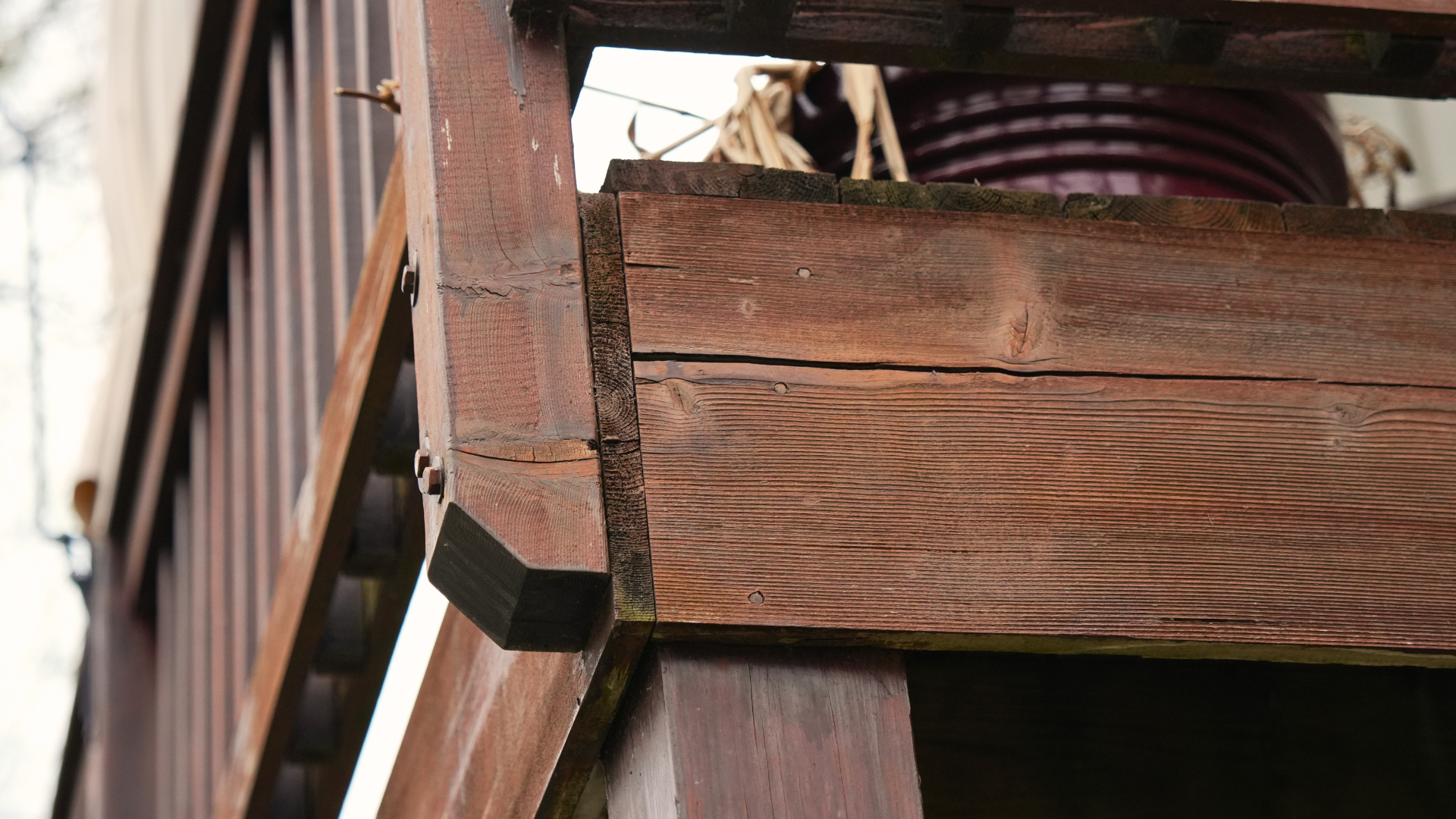


Every Twin Cities homeowner faces this question eventually — do I need a quick deck repair or replacement? Is this the season to finally build something better?
It’s not always an obvious call. The honest answer depends on your material, your deck’s age, and how much punishment years of freeze-thaw cycles, heavy snow loads, and spring melt have worked into the structure. Some of what you’re seeing is a quick fix. Some of it is a sign the clock has run out. The key is understanding which choice delivers the most value for your time, energy, and money.
At Voyager Exteriors, we’ve been helping Twin Cities homeowners navigate the deck repair vs. replacement decision for years. Here’s exactly how we think through it.
In This Article:
- When Deck Repair Makes Sense
- When Deck Replacement Is the Better Investment
- What Minnesota Winters Do to Your Deck
- If You’re Replacing: Trex and TimberTech in Minnesota
- What a Good Twin Cities Deck Contractor Looks For
- Frequently Asked Questions
When Deck Repair Makes Sense
Targeted repairs are often the right call — and can meaningfully extend the life of a deck that still has good years left in it.
Repair is generally the right move when:
Damage is localized. A handful of soft boards, isolated hail hits, or one section showing wear. If the framing beneath is structurally sound and the rest of the deck is performing well, spot repairs restore function without replacing the whole system.

The deck is relatively young. Under 10–12 years old and otherwise holding up? In the deck repair vs. replacement conversation, repairs are almost always the cost-effective choice when the structure is young. You’re not patching a failing system — you’re maintaining a good one.
There’s no moisture behind the framing. Surface damage is one thing. If water has moved into the joists, sheathing, or the ledger board where your deck attaches to the house, that changes the conversation entirely.
Storm damage with insurance coverage. After a hail or wind event, your insurer may cover board replacement. Repairs can restore function — though matching weathered materials for color can be tricky, and proper documentation matters for claims. An experienced Twin Cities deck contractor can assess and document the damage accurately, which makes a real difference in claim approval.
The general rule: if the damage is clearly surface-level and the structure beneath is solid, repair is the smart move. If there’s any question about what’s underneath, a professional assessment gives you the full picture before you commit.
When Deck Replacement Is the Better Investment
Sometimes the most honest thing a good Twin Cities deck contractor can tell a homeowner is that repair after repair is just delaying the inevitable — and adding up in cost along the way.
Replacement makes more sense when:
Damage is widespread. Multiple sections showing rot, failing boards, or structural movement. When damage is scattered across the deck rather than isolated, the material is likely near end-of-life. Deck repair vs. replacement stops being a close call at this point.
The deck is aging out. General lifespans to keep in mind:
- Pressure-treated wood: 15–25 years with consistent maintenance
- Cedar: 20–30 years with diligent upkeep
- Uncapped composite (pre-2010): 10–15 years
- Capped composite (Trex, TimberTech): 25–50 years depending on product line
Structural components are compromised. This is the non-negotiable category. If any of the following are true, replacement is the right conversation:
- The ledger board — the board that attaches your deck to your home — shows rot or inadequate flashing
- Joists sag, crack, or feel bouncy underfoot
- Posts split or lean from frost movement
- Footings have shifted or cracked from freeze-thaw pressure
- Railings are unstable
A deck that fails under load is a serious safety event. No cost-benefit analysis changes that equation.
You’re in a repair cycle that never ends. Replacing a few boards one year, fixing a railing the next, re-sealing the surface every two years — that accumulated budget stops extending the deck’s life at some point. When repair costs are approaching 30–40% of what a full replacement would cost, replacement almost always delivers better long-term value.
Maintenance has become a burden. Wood decks require cleaning, power washing, and sealing or staining every two to three years. Minnesota summers are short. If your deck is demanding more of your weekends than you’re willing to give, that’s a real factor worth weighing — and a strong argument for the low-maintenance composite systems that Twin Cities contractors install most today.

What Minnesota Winters Do to Your Deck
No climate in the lower 48 is harder on outdoor structures than the upper Midwest — and the damage isn’t just about cold.
Freeze-thaw cycles are relentless. Water enters small cracks, freezes, expands, and widens those gaps a little more with every cycle. Do that hundreds of times over a decade and a hairline crack becomes a structural problem. It’s one of the reasons the deck repair vs. replacement question comes up so often in our climate — wear accelerates here in ways it simply doesn’t in milder regions.
Frost heaving is a specific concern for deck footings. The Twin Cities metro area sees a frost depth of 42 inches — footings must extend below that line or the ground will push them upward every season. Northern Minnesota requires footings down to 60 inches. When footings move, everything above them moves with them.
Snow load places sustained stress on joists, beams, and hardware. The Twin Cities metro carries a ground snow load of approximately 50 pounds per square foot — and wet, heavy March snow is among the worst. A well-built deck accounts for that weight. An aging one starts to show it.
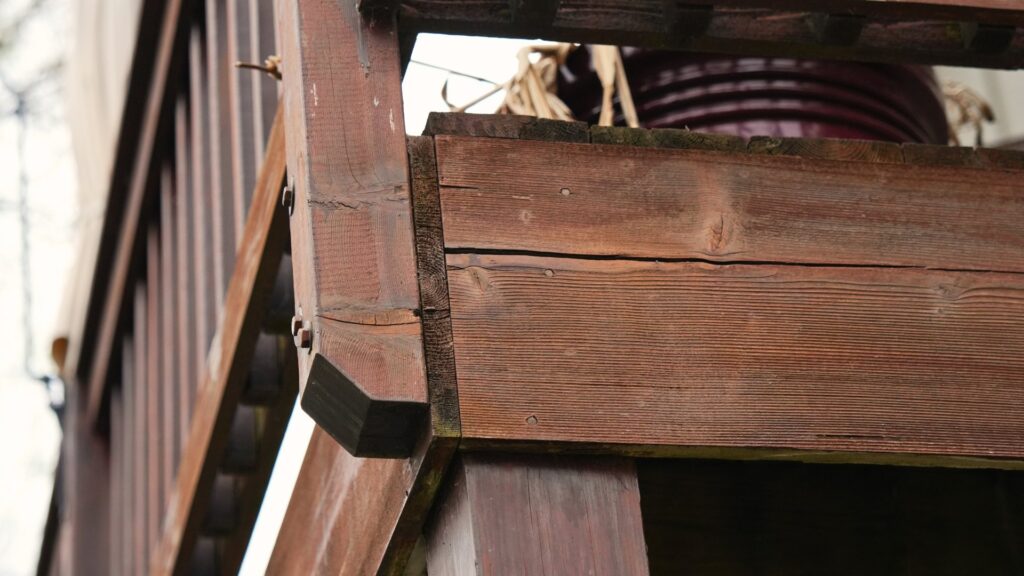
Spring melt keeps framing wet for weeks, especially near grade level and beneath composite boards that trap moisture against the wood substructure. This is where hidden rot develops — out of sight, underfoot, and invisible until a contractor pulls up the boards.
Summer UV and heat break down surface materials and drive significant thermal expansion in composite boards. Minnesota’s annual temperature range can exceed 130°F from deep winter to peak summer. Proper installation gapping isn’t a detail — it’s what keeps boards from buckling or pulling apart as seasons change.
This full-year assault on your deck is the context behind every deck repair vs. replacement recommendation a qualified Twin Cities deck contractor makes.
Discuss replacement with a contractor that has over 200+ 5-star Google reviews.
If You’re Replacing: Trex and TimberTech in Minnesota
When replacement wins the deck repair vs. replacement decision, material selection matters — especially here.
Composite decking manufactured before approximately 2010 was largely uncapped — no protective polymer shell — and suffered well-documented problems with fading, staining, and mold. Today’s capped composites are a fundamentally different product, and the most trusted Twin Cities deck contractors have largely moved away from wood systems for replacement projects.
Trex is the largest composite decking manufacturer in North America. Their current lines carry a 25-year fade and stain warranty and are widely available across the Twin Cities. Trex Transcend, their flagship line, is among the most specified composite products in the market.
TimberTech offers both capped composite and capped PVC through their AZEK line. AZEK contains zero wood fiber and carries a 50-year fade and stain warranty — the strongest in the industry. Because PVC absorbs virtually no moisture, it eliminates freeze-thaw expansion concerns at the board level entirely — a meaningful advantage in a Minnesota climate.
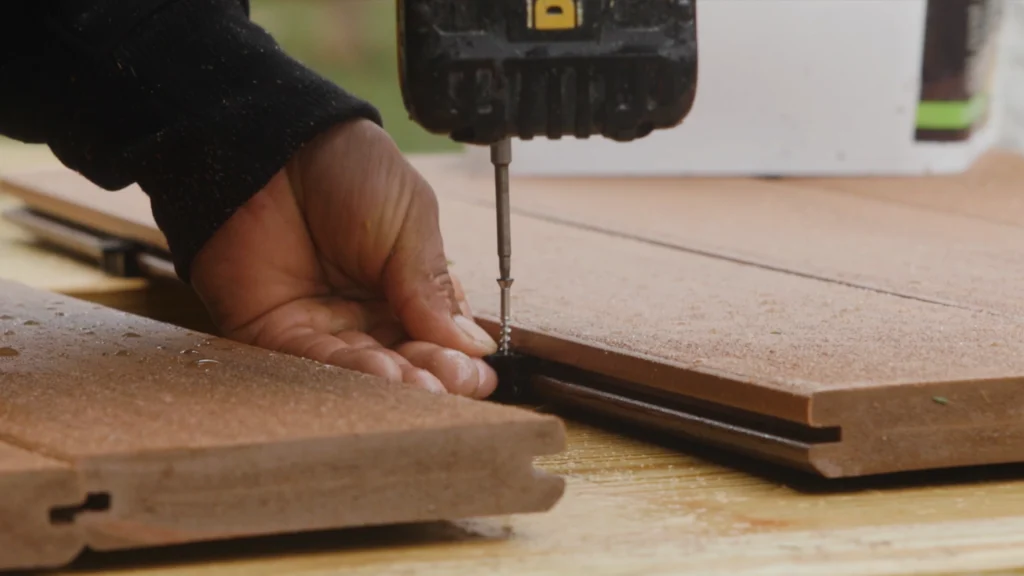
Both brands perform exceptionally well here. The installation detail that matters most: proper gapping for thermal expansion — typically 1/8 to 3/16 inch per 16-foot board — is critical when your climate swings 130°F across the calendar year. Improper spacing is one of the most common installation mistakes, and one of the clearest signs of a contractor without real experience installing composite systems in Minnesota conditions.
Voyager Exteriors is a certified installer of both Trex and TimberTech, installed to manufacturer specifications with correct gapping, fastening, and substructure requirements built for our climate.
What a Good Twin Cities Deck Contractor Looks For
Surface inspections miss structural problems. An experienced Twin Cities deck contractor covers the full picture — not just what’s visible from the top.
Ledger board condition and flashing. This is where hidden water damage lives. Improper flashing allows moisture behind the siding and into your home’s rim joist — damage that’s invisible until it’s serious. It’s the most safety-critical detail in any deck inspection and the one most likely to be underestimated by an inexperienced eye.
Joist and beam integrity. Probe for soft spots, check for sag, test for bounce. A deck that gives slightly underfoot isn’t a cosmetic issue — it’s a structural one that shapes the entire deck repair vs. replacement conversation.
Footing depth and condition. Footings must extend below the frost line — 42 inches minimum in the Twin Cities metro, deeper in northern Minnesota. Cracked or shifting footings mean the structure above them is moving every season.
Railing stability and code compliance. Guards are required by Minnesota code when a deck surface is more than 30 inches above grade. Minimum height is 36 inches, and baluster spacing cannot exceed 4 inches. An unstable railing isn’t a maintenance item — it’s a liability.
Permit history. Decks more than 30 inches above grade require a building permit in Minnesota. If a previous deck was built without one, that matters for insurance, resale, and any future work on the structure. A licensed Twin Cities deck contractor will verify compliance and pull permits for new work.
A reputable contractor walks the deck with you, explains what they see, and puts both a repair estimate and a replacement estimate on the table — then helps you understand the tradeoffs honestly. That’s the conversation worth having before you commit to anything.
Contact us to schedule a free estimate
Frequently Asked Questions
What’s the difference between deck repair vs. replacement — and how do I know which I need? Surface damage — warped boards, a few soft spots, faded finish — is usually repairable when the framing beneath is solid. Structural damage — a compromised ledger board, failing joists, shifting footings, or unstable railings — is a replacement signal. If you feel any bounce or give when you walk across the deck, that’s structural. A professional inspection from an experienced Twin Cities deck contractor is the fastest way to get a clear, honest answer.
How much does deck replacement cost in the Twin Cities? Replacement costs vary based on size, material, and structural complexity. Pressure-treated wood is the most affordable to rebuild; capped composite systems from Trex and TimberTech cost more upfront but carry significantly longer warranties and require far less maintenance over time. For accurate numbers specific to your home, reach out to our team — we’ll walk the project with you and give you real estimates on both repair and replacement options.
Is it cheaper to repair or replace a deck in Minnesota? Repair costs less upfront. But the better question is which option delivers more value over time. When repair costs approach 30–40% of a full replacement, or when structural components are compromised, replacement almost always wins on long-term value — especially when you factor in the lower maintenance demands of modern composite systems.
Do I need a permit to replace my deck in Minneapolis? Yes, in most cases. Decks more than 30 inches above grade require a building permit in Minnesota. Replacing a deck typically requires a permit and inspection regardless of whether the original structure had one. A licensed Twin Cities deck contractor handles the permit process and ensures the new structure meets current code requirements.
Ready for a Straight Answer?
If you’ve been going back and forth on the deck repair vs. replacement decision, the most useful next step is a professional set of eyes on it. At Voyager Exteriors, we work with Twin Cities homeowners on exactly this question every season — no pressure, no upsell, just an honest look at what you’ve got and what makes sense going forward.
Call us or reach out online to schedule a free consultation. We’ll walk your deck with you, tell you what we see, and help you move forward with confidence.

Voyager Exteriors serves homeowners in Minneapolis, St. Paul, Edina, Minnetonka, Woodbury, Eagan, Plymouth, and surrounding Twin Cities suburbs. We are certified installers of Trex and TimberTech composite decking systems and trusted Twin Cities deck contractors for repair and full replacement projects