Give Us a Call!
(612) 998-9500
Give Us a Call!
(612) 998-9500 

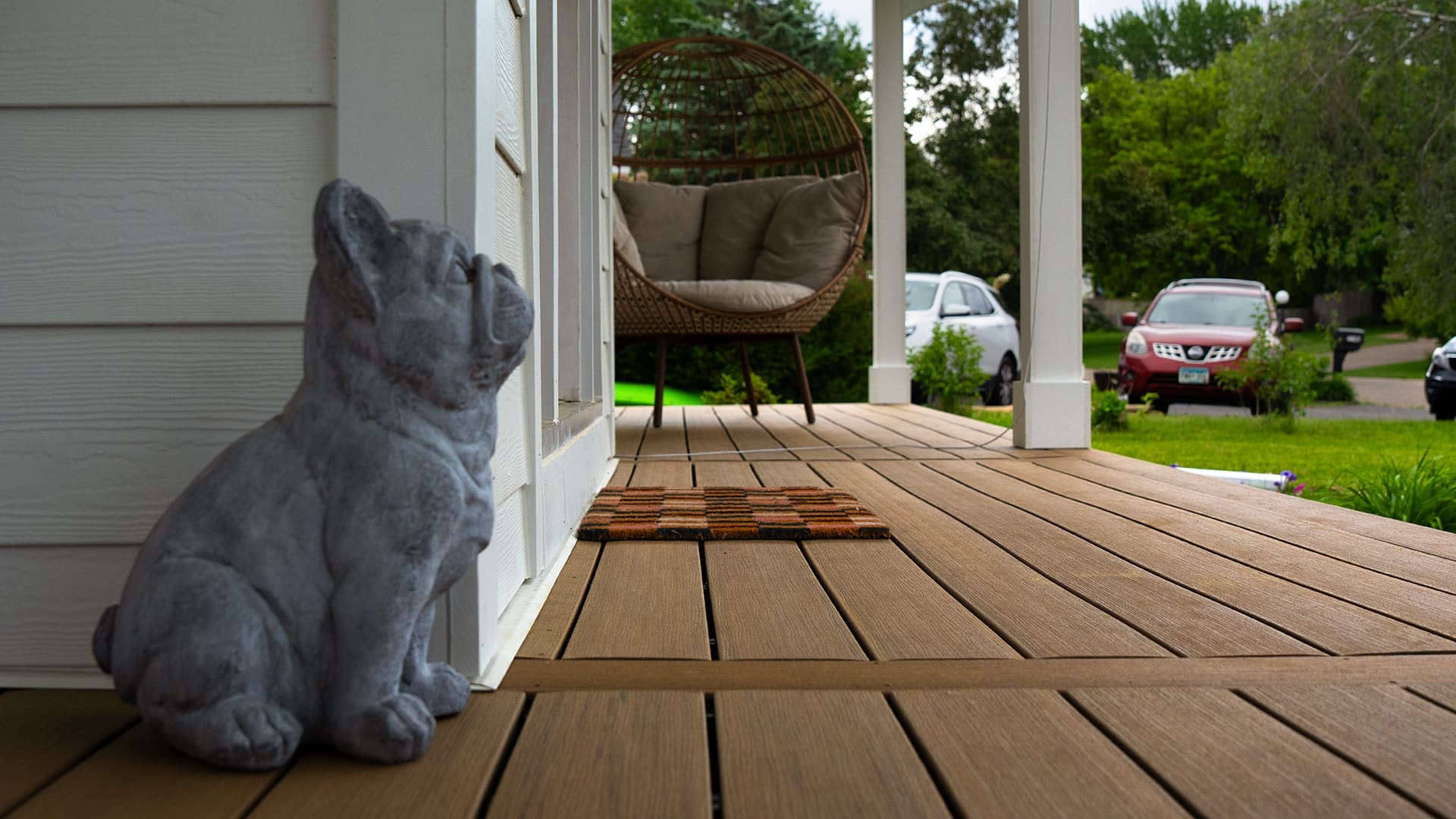


These deck safety tips can help you catch small issues before guests arrive — without turning a quick walkthrough into a construction project. With temperatures pushing into the 90s and the Fourth of July weekend bringing heavy deck use across the Twin Cities, a few minutes of attention now is worth a lot more than a problem discovered mid-party. Here’s what to look for, and when it makes sense to call a professional.
In This Article:
- Why deck safety matters during Minnesota summer heat
- A quick deck safety checklist before guests arrive
- How recent storms can change what you should check
- When to stop using the deck and call a professional
- Planning ahead for a safer, more comfortable deck
- FAQ
Why Deck Safety Matters During Minnesota Summer Heat
Minnesota summers put outdoor structures through conditions that aren’t always obvious from the surface. When temperatures climb into the 90s and the heat index approaches 100°F or higher — common during late June and into July across the Twin Cities metro — wood decking, fasteners, and railings experience stress they don’t face any other time of year.
Heat causes wood to expand. Humidity causes it to absorb moisture. When the two combine, boards can cup, swell, or pull slightly away from fasteners. These changes aren’t always structural problems, but they’re worth knowing about before you load the deck with guests, lawn chairs, and a grill.
The National Weather Service Twin Cities office regularly issues heat advisories and severe storm outlooks during this stretch of summer. Storms that move through the metro can also leave behind debris, moisture, or surface damage that changes what you should check before your next gathering.
A Quick Deck Safety Checklist Before Guests Arrive
You don’t need tools or a contractor for this walkthrough — just a careful eye and a few minutes.
Boards and Walking Surfaces
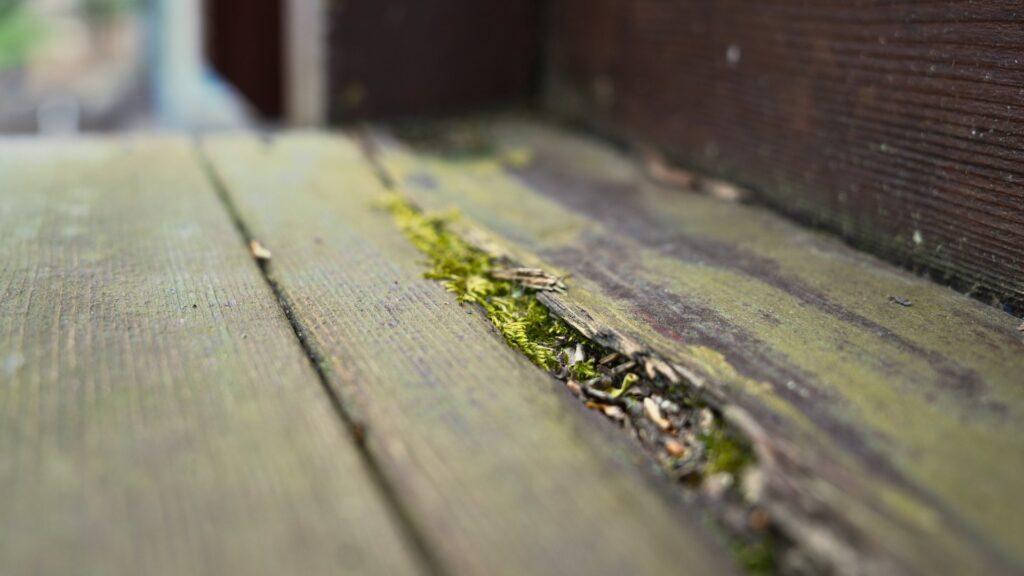
Walk the full surface of the deck slowly. You’re looking for:

- Boards that feel soft, spongy, or flex more than the ones around them
- Cupped or warped boards where edges have lifted above the surface plane
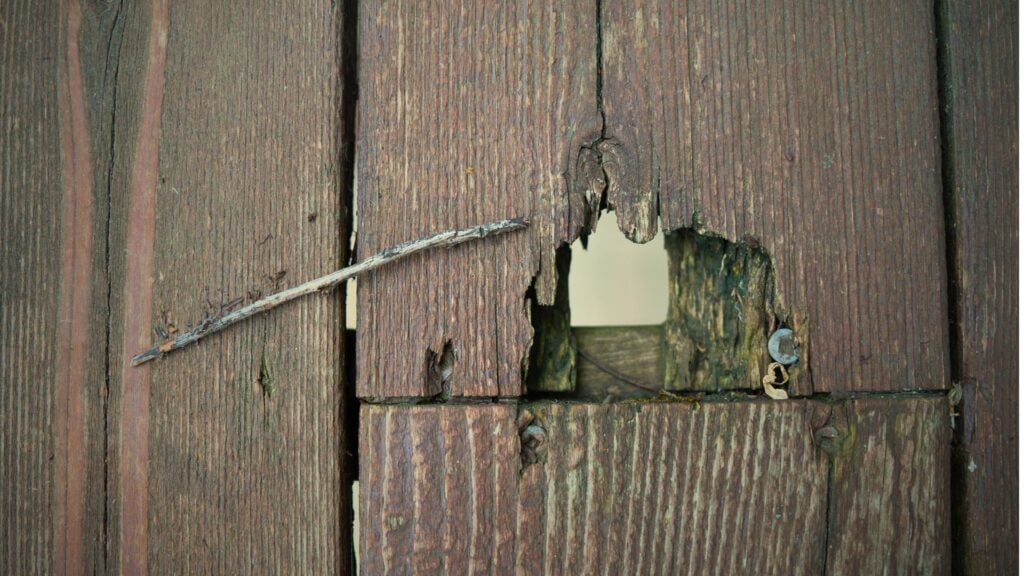
- Cracked or split boards with rough edges or raised splinters
- Fastener heads that have popped up above the board surface
None of these automatically mean the deck is unsafe. A board that flexes differently from its neighbors may have a fastener issue or soft spot underneath — or it may simply be reacting to heat and humidity. If something feels off and you’re not sure what you’re looking at, that’s a reasonable time to ask a professional.
Stairs, Railings, and Guardrails
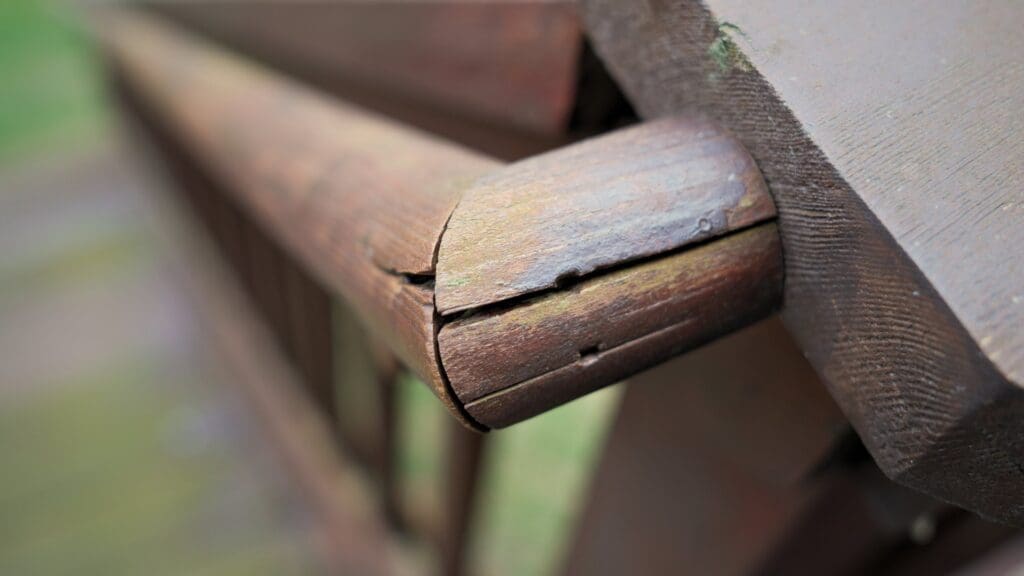
Deck railing safety is one of the most important things to check before a gathering, especially if you have kids or elderly guests. Give the top rail a firm side-to-side push. It should not move significantly. Do the same with each post.
For stairs, check that:
- Treads are secure and don’t shift when you step on them
- The stringer (the angled side support) is attached solidly at the top and bottom
- Handrails are present and graspable where the stair run requires them
Minnesota residential decks must meet the Minnesota Residential Code, and many local jurisdictions — including Minneapolis and cities like Coon Rapids — have their own permit and inspection requirements. Minnesota DLI residential deck code guidance → View Mn Res Decks PDF If your deck was built without a permit or hasn’t been inspected in many years, it may not meet current standards — something worth discussing with a local contractor.
Fasteners, Posts, and Visible Movement
Check where the deck meets the house — the ledger board connection. You’re looking for:
- Gaps between the ledger and the house wall
- Staining, rot, or water damage around the connection point
- Any visible movement when you push against the deck frame
Also look at the posts that support the deck from below, if they’re accessible from grade level. Posts that show cracking, soft spots at the base, or signs of rot are worth a professional look. Do not climb under the deck or into areas that feel unsafe to investigate.
[IMAGE: Close-up of deck post base on a Minnesota home] Alt text: “Deck post base check as part of a Minnesota deck safety checklist before a summer gathering”
How Recent Storms Can Change What You Should Check
If you’ve had wind, hail, or heavy rain in the past few weeks — and the Twin Cities metro has seen all three this season — add these to your outdoor deck maintenance walkthrough:
- Look for debris lodged between boards or around posts
- Check for surface areas where water pooled and didn’t drain, which can accelerate moisture damage
- Scan railings and posts for visible impact marks from hail or falling branches
- If you have a composite deck, check the surface for scuffs or gouges — usually cosmetic, but worth noting before guests arrive
In our experience working on Twin Cities decks, storm damage that goes unnoticed over a few weeks tends to compound. A quick check after a significant weather event is a good habit.
[INTERNAL LINK: Learn more about deck materials and installation → /deck-installation/]
When to Stop Using the Deck and Call a Professional
Most things you find in a basic walkthrough are minor. But some signs are worth taking seriously before you have guests on the deck:
- The deck visibly moves or shifts when you walk on it
- A post or railing feels loose enough that it could give way under pressure
- You find soft, punky wood at the ledger connection or near any post base
- Multiple boards in the same area flex or feel wrong underfoot
You don’t have to diagnose the problem yourself. Calling a contractor to evaluate what you’ve noticed is a proportionate, reasonable response — not an overreaction. Catching a concern early is almost always less disruptive than waiting until something forces the issue.
Planning Ahead for a Safer, More Comfortable Deck
A few other things worth thinking through as you head into peak deck season:
- Capacity: Decks are designed with load limits in mind. Spreading guests across the space — rather than clustering everyone in one area — is a sensible practice for larger gatherings.
- Lighting: If you use the deck after dark, make sure lighting covers stairs and any step-downs.
- Slippery surfaces: Algae and mildew grow quickly on wood and some composite surfaces during humid Minnesota summers. A damp, slick deck surface is worth addressing before guests arrive.
- Grills and heat sources: Keep grills away from railings, siding, and overhead structures. Check local fire code guidance if you’re unsure about setback requirements.
Frequently Asked Questions
What are the most important deck safety tips before hosting a party? Walk the full surface for soft spots or raised fasteners, push on each railing post and the top rail to check for movement, and look over the stairs and ledger connection. If anything gives you pause, that’s your signal to get a professional opinion before the gathering.
How does Minnesota summer heat affect my deck? Heat and humidity cause wood to expand and absorb moisture, which can reveal cupping, swelling, or fastener issues that weren’t visible in the spring. Composite decking responds differently — check the manufacturer’s care guidance for your specific product.
Do I need a permit for deck repairs in Minnesota? Permit requirements vary by municipality and by the scope of the work. Repairs that alter structural elements typically require a permit. Contact your local building department for guidance — Minneapolis and many Twin Cities suburbs publish residential deck requirements online.
When should I call a contractor instead of checking myself? If the deck moves underfoot, a railing feels genuinely unstable, or you find soft or deteriorating wood at load-bearing points, stop using the deck for gatherings and ask a contractor to evaluate. A visual walkthrough is helpful context; a structural assessment requires a professional.
Is my deck covered by homeowner’s insurance if something goes wrong? Coverage depends on your specific policy, the cause of damage, and whether the deck was properly permitted and maintained. Check directly with your insurer — don’t rely on general assumptions.
Have a Safe Weekend
A little attention before guests arrive goes a long way. These deck safety tips aren’t about finding problems — they’re about knowing what you’re working with before you put guests on your deck. If something gives you pause, contact Voyager Exteriors to talk through what you found and we can help decide whether you need to repair or replace your deck. For more on repair vs replacement, visit our article on it Deck Repair or Replacement? A Twin Cities Guide for 2026.