Give Us a Call!
(612) 998-9500
Give Us a Call!
(612) 998-9500 

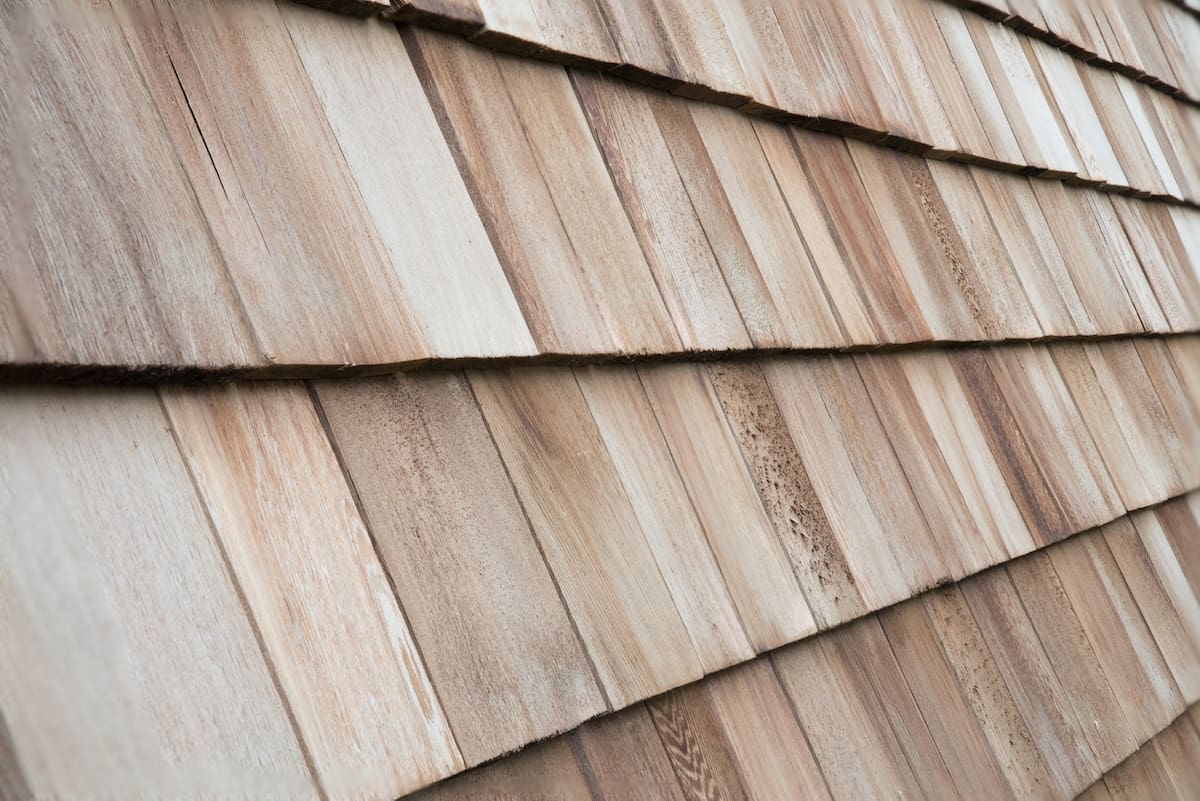


Cedar siding has long been a favorite among homeowners for its natural beauty, durability, and timeless appeal. Whether you’re constructing a new home or planning to replace your existing siding, understanding the pros, cons, alternatives, and expected lifespan of cedar siding is essential to making an informed decision.
Here’s what we’ll explore in this guide:
- The unique advantages of cedar siding and common challenges.
- The top alternatives to cedar siding for various budgets and aesthetics.
- Lifespan and maintenance tips to get the most out of your investment.
Let’s break down everything you need to know about cedar siding to upgrade your home’s exterior with confidence.
🪵 What is Cedar Siding?
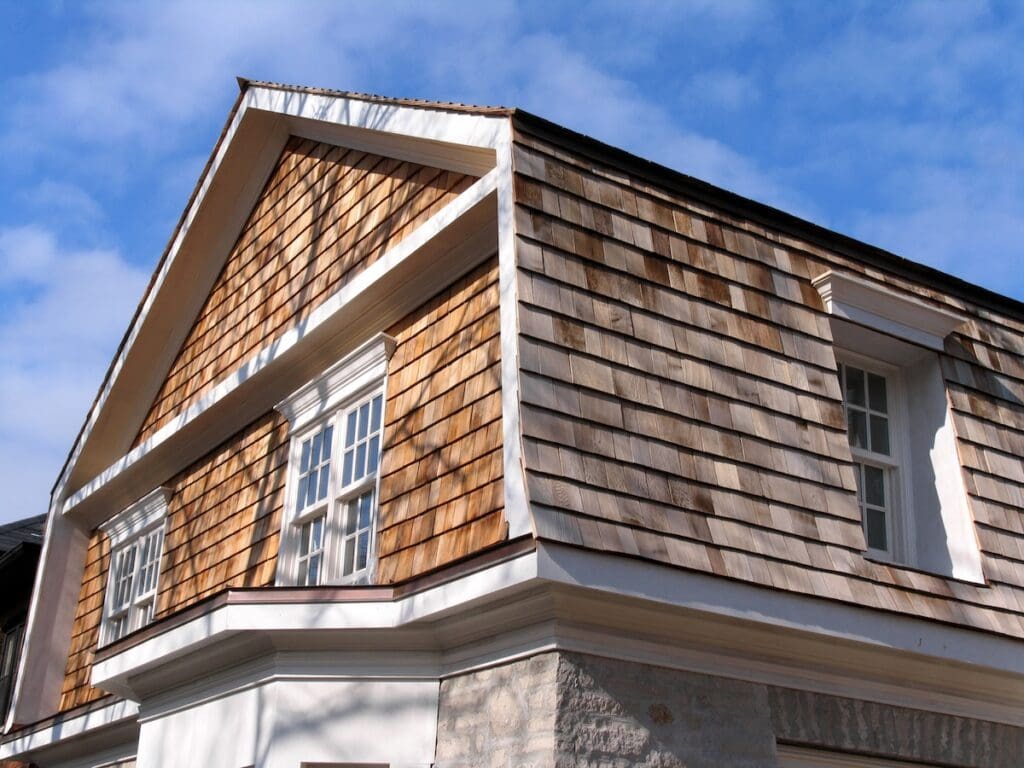
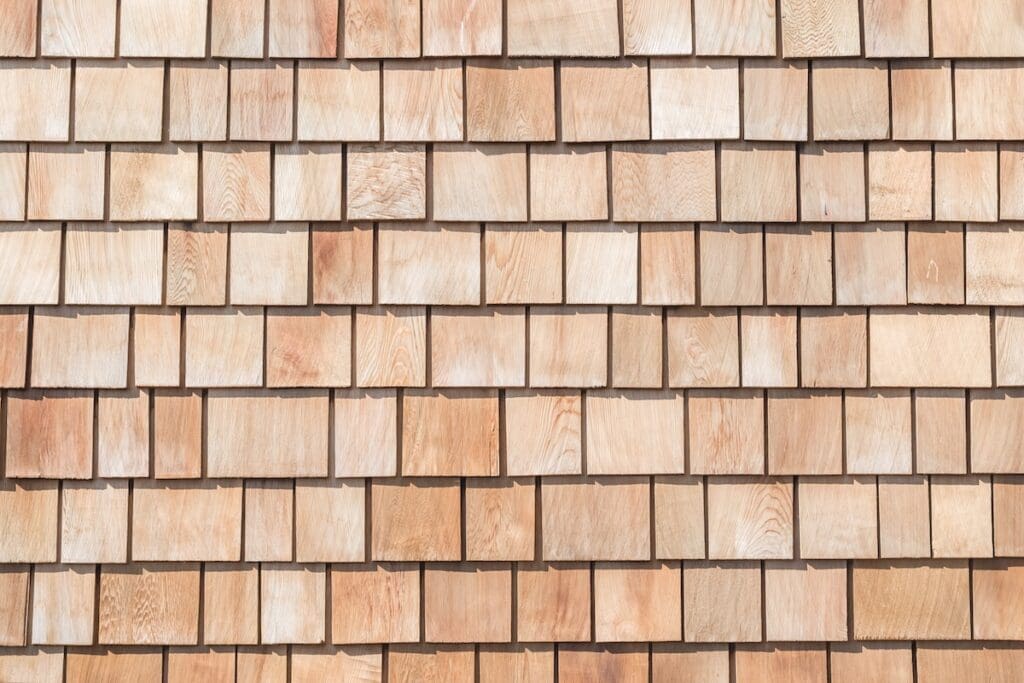
Cedar siding refers to exterior cladding made from cedarwood, often chosen for its natural resistance to decay and rich, warm appearance. Available in various styles—from clapboard or bevel to shingles or shakes—cedar siding offers versatility for homeowners looking to achieve a natural or rustic look while protecting their homes.
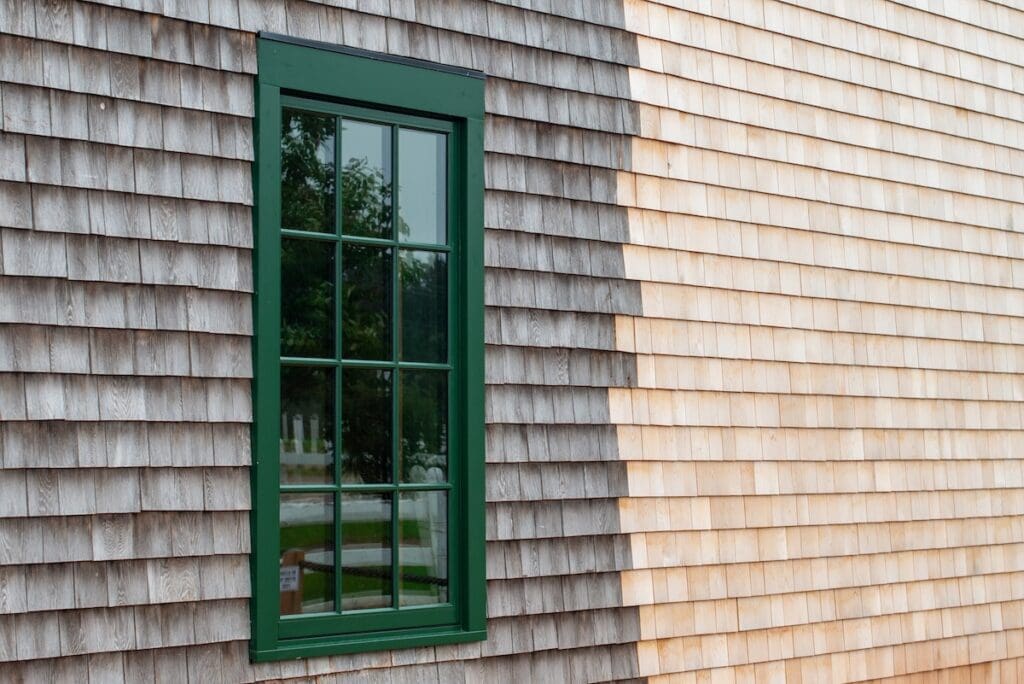
This type of siding is preferred for several reasons:
- It provides natural insulation, helping to keep homes more energy-efficient.
- Cedar has insect-resistant and rot-resistant properties due to its natural oils.
- It’s a renewable and environmentally friendly building material.
However, its charm comes with responsibilities, such as regular maintenance, which is vital to ensure cedar siding remains functional and visually appealing over the years.
✅ Benefits of Cedar Siding for Homes
When considering cedar siding for your home, understanding its benefits is essential. The perks of this material go beyond aesthetics, offering functional advantages that other siding options may lack.

Timeless Natural Beauty
Few siding materials match the appeal of natural cedar. Its rich, wood-grain texture and variety of colors—from light honey tones to deep reddish-browns—make cedar siding a standout choice for homeowners looking for a warm, natural aesthetic.
Impressive Durability
Cedarwood contains natural compounds that make it resistant to insects, decay, and moisture damage. While it’s softer than some other woods, it can withstand heavy storms, wind, and even some hail if properly maintained.
Energy Efficiency
One of cedar’s lesser-known benefits is its natural insulating properties. Cedar siding helps regulate your home’s temperature, reducing heating and cooling costs over time. Combined with proper installation and insulation, this can make a significant difference in energy efficiency.
Sustainable and Eco-Friendly
Cedarwood is a renewable resource, and its production has a lower environmental impact compared to synthetic or non-renewable materials. Choosing cedar siding supports sustainable building practices while offering a timeless, natural appearance.
Customization Options
Cedar siding can be stained or painted in virtually any color, giving homeowners the flexibility to match their home’s exterior to their vision. Over time, you can re-stain or repaint cedar to refresh its look, allowing for lasting versatility.
❌ Challenges of Cedar Siding (and How to Overcome Them)
Although cedar siding has many advantages, there are a few potential challenges to keep in mind before committing to this material.
High Maintenance Needs
Cedar siding requires regular upkeep to maintain its appearance and functionality. Homeowners need to:
- Re-stain or repaint it every 3-5 years to protect it from water damage and UV rays.
- Inspect it annually for damage caused by weather or insects.
- Clean it carefully to prevent mold or mildew buildup.
Susceptibility to Warping
While cedar is naturally resistant to moisture, prolonged exposure to water or improper installation can lead to warping or cracking. Ensuring quality installation and sealing by professionals is crucial to avoiding this issue.
Costs
Cedar siding is more costly to install than many alternatives, and the ongoing expenses for maintenance can add up. However, for homeowners who value its longevity and premium look, it’s often worth the investment.
Vulnerability to Fire
While cedar is treated to be fire-resistant, untreated wood poses a higher risk compared to materials like fiber cement or metal siding. For homeowners in fire-prone areas, choosing pre-treated cedar siding is a must.
Limited Lifespan Without Maintenance
Without proper care, cedar siding’s lifespan significantly shortens. However, dedicated maintenance can extend its life to 25 to 40 years.
📋 Alternatives to Cedar Siding
If cedar siding doesn’t align with your needs, whether due to budget constraints or maintenance demands, plenty of great alternatives offer similar aesthetics and functionality.
Fiber Cement Siding
Fiber cement siding is one of the most popular alternatives to cedar due to its durability and low maintenance. It mimics the natural grain of wood but doesn’t require frequent re-staining or repainting. It’s also fire-resistant and long-lasting, often outliving cedar siding by decades.
Price Range: Medium
Pros: Resistant to fire, rot, and insects; minimal upkeep.
Cons: Heavier and more difficult to install compared to wood.
Engineered Wood Siding
Engineered wood siding is an excellent choice for homeowners who want a wood-like appearance without the upkeep cedar requires. It’s made from wood fibers and resin, making it more durable and moisture-resistant than natural wood.
Price Range: Medium to High
Pros: Easy to install, less susceptible to warping, lower maintenance.
Cons: Can be more expensive than standard cedar siding.
Vinyl Siding
For homeowners seeking a cost-effective option, vinyl siding is an excellent alternative. It’s available in a variety of colors, is low maintenance, and is one of the most budget-friendly options available. However, it doesn’t mimic the natural beauty of cedar as closely as other alternatives.
Price Range: Low
Pros: Affordable, low-maintenance, and widely available.
Cons: Less durable than cedar and not eco-friendly.
Metal Siding
Metal siding, such as aluminum or steel, offers a unique, modern look while providing exceptional durability. It’s resistant to fire, pests, and rot, making it an ideal option in extreme climates.
Price Range: Medium to High
Pros: Ultra-durable, fireproof, sleek modern design.
Cons: Can be prone to dents and scratches.
Brick or Masonry Siding
For homeowners seeking maximum durability and a completely different aesthetic, brick or masonry can be a great substitute. Though not wood-like in appearance, it requires very little maintenance and offers superb fire and weather resistance.
Price Range: High
Pros: Unparalleled durability, minimal maintenance.
Cons: Very costly upfront.
⏳ How to Maximize the Lifespan of Cedar Siding
1. Keep Up with Maintenance
- Repaint or stain your cedar siding every three to five years. Choose high-quality stains with UV protection.
2. Inspect Regularly
- Check for signs of damage such as warping, cracks, or rot, and address issues quickly to prevent further deterioration.
3. Prevent Moisture Damage
- Make sure water is directed away from your siding by properly managing gutters and installing water-resistant barriers.
4. Hire Professionals for Installation
- Proper installation is critical. Work with professionals who know how to seal and finish cedar siding correctly to avoid future issues.
5. Clean Annually
- Wash your siding annually to remove dirt, mildew, and mold. Use mild cleaners specifically formulated for wood.
6. Choose Treated Cedar for Fire Resistance
- If you live in a fire-prone area, choosing pre-treated fire-resistant cedar siding is a strong preventative measure.
👍 Why Choose Us for Your Siding Needs?
When it comes to installing or replacing siding, experience and precision are key. That’s where our team comes in. We have the expertise to ensure your cedar siding is installed and maintained flawlessly, so you get the most value from your investment.
At Voyager Exteriors, we’re passionate about helping homeowners create durable, beautiful exteriors that last. From expert installation to ongoing siding maintenance, we’re your trusted partner for all your siding needs.
Contact us today and discover how we can help transform your home’s exterior with premium cedar siding!