Give Us a Call!
(612) 998-9500
Give Us a Call!
(612) 998-9500 

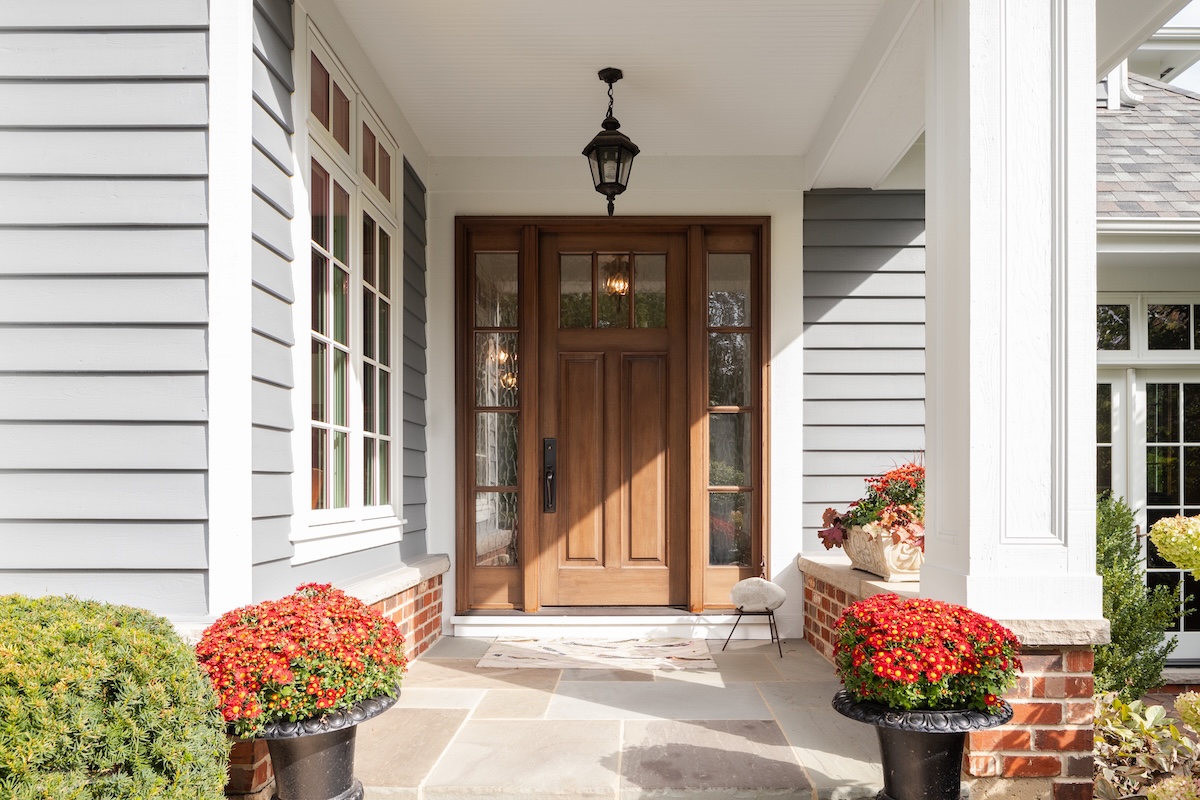


When homeowners begin searching for the most durable siding, the focus often goes beyond appearance to long-term performance, protection, and value. The right siding should stand up to harsh weather, resist pests, and maintain its beauty for decades. In 2025, advancements in materials and manufacturing have given homeowners more reliable options than ever before.
- Long-term protection: Durable siding shields your home from rain, wind, snow, and UV rays.
- Low maintenance: The most resilient options require minimal upkeep while maintaining curb appeal.
- Value-driven: Investing in strong siding materials reduces repair costs and boosts resale value.
💪 Why Durability Matters In Siding Choices
Siding is your home’s first line of defense against the elements. Poor-quality or aging siding can crack, warp, or fade, leaving your home vulnerable to water infiltration, energy loss, and structural damage. Choosing siding with proven durability ensures your home stays well-protected, efficient, and attractive.
Durable siding also contributes to peace of mind. Knowing your exterior can handle everything from severe storms to daily wear allows you to spend less time on repairs and more time enjoying your home.
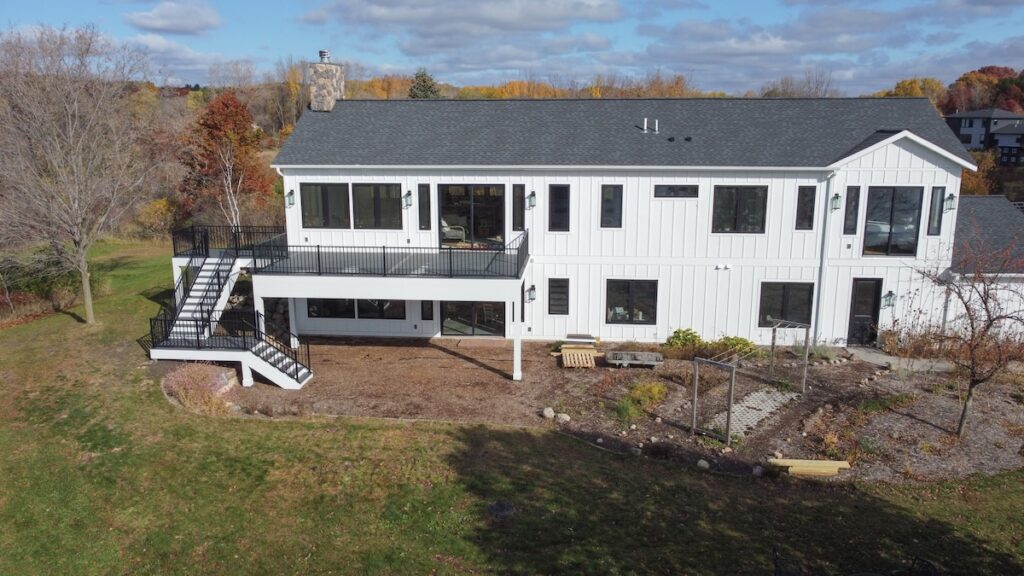
⭐️ Key Factors That Influence Siding Durability
Not all siding is created equal. Some materials naturally last longer than others, while advancements in technology have made certain products more resilient.
Resistance To Weather
- Handles extremes: Durable siding stands strong against freezing winters, hot summers, and heavy storms.
- Moisture defense: Materials should resist swelling, rotting, or mold caused by water exposure.
Impact And Pest Protection
- Withstands damage: Strong siding resists dents, chips, and hail impacts.
- Prevents infestations: Pest-resistant materials deter termites and insects that weaken wood products.
Longevity And Warranty
- Lifespan expectation: Look for siding options designed to last 30–50 years or more.
- Warranty coverage: Strong warranties provide added confidence in the product’s performance.
📋 6 Most Durable Siding Options For 2025
Here are the top siding materials that stand out in 2025 for their proven strength, beauty, and reliability.
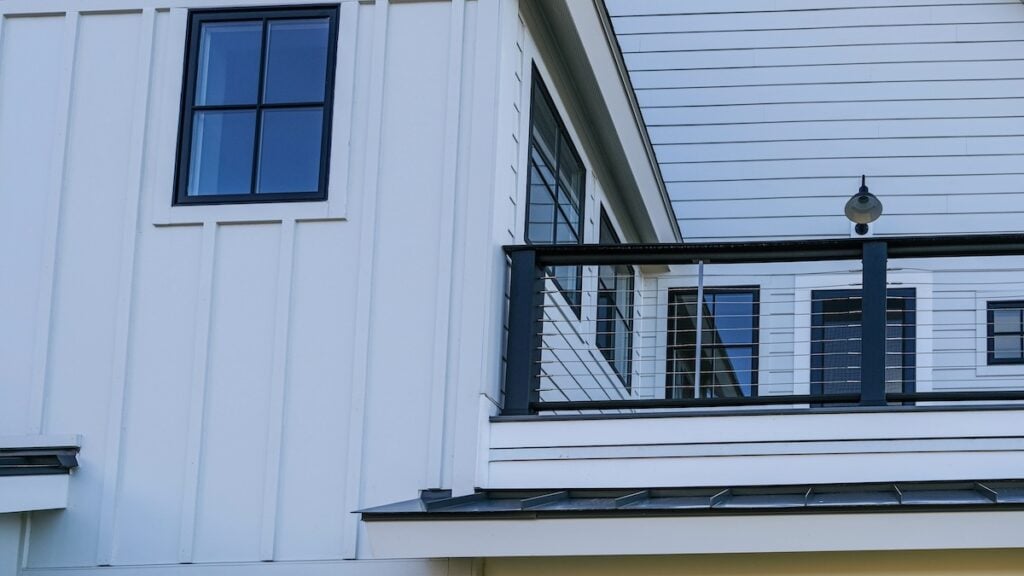
- Fiber Cement Siding: Fiber cement remains one of the most durable siding materials available. Composed of cement, sand, and cellulose fibers, it offers superior resistance to fire, moisture, and pests. With proper installation and minimal upkeep, fiber cement siding can last 50 years or more. Its ability to mimic the look of wood or stucco makes it a versatile and stylish option as well.
- Engineered Wood Siding: Engineered wood combines natural wood fibers with resins and protective treatments. The result is siding that captures the warmth of real wood while offering improved resistance to rot, insects, and warping. Brands like LP SmartSide continue to innovate, making engineered wood an increasingly durable choice that can last 30 years or more with proper care.
- Premium Vinyl Siding: While traditional vinyl siding has a reputation for warping, today’s premium versions feature thicker panels, reinforced locking systems, and UV-resistant finishes. These improvements make modern vinyl siding far more durable, capable of withstanding high winds and intense sunlight without fading or cracking. Many products now come with warranties of 25–40 years.
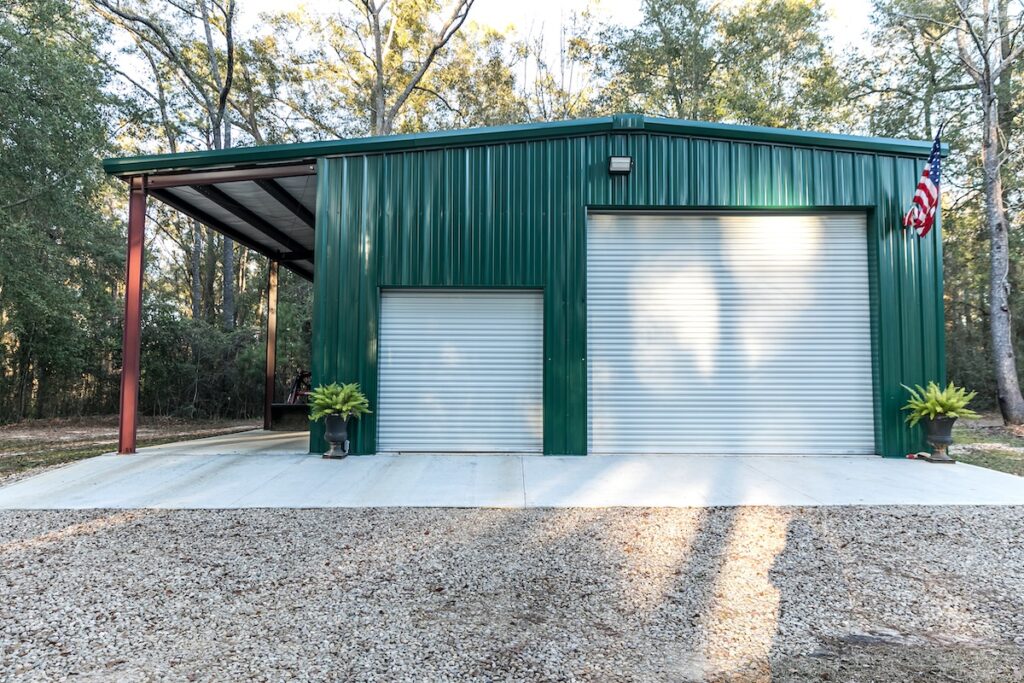
- Metal Siding (Steel and Aluminum): Metal siding offers unmatched durability in certain environments. Steel siding is especially valued for its strength against impact and fire resistance, while aluminum excels in resisting rust and corrosion. Both options can last 40–50 years with minimal maintenance, though they can be prone to dents if struck with heavy objects.
- Composite Siding: Composite siding blends multiple materials to maximize strength and resilience. These products often feature recycled components combined with resins and polymers to create siding that’s resistant to moisture, pests, and impact. With lifespans of 30–50 years, composite siding is growing in popularity as a sustainable and durable choice.
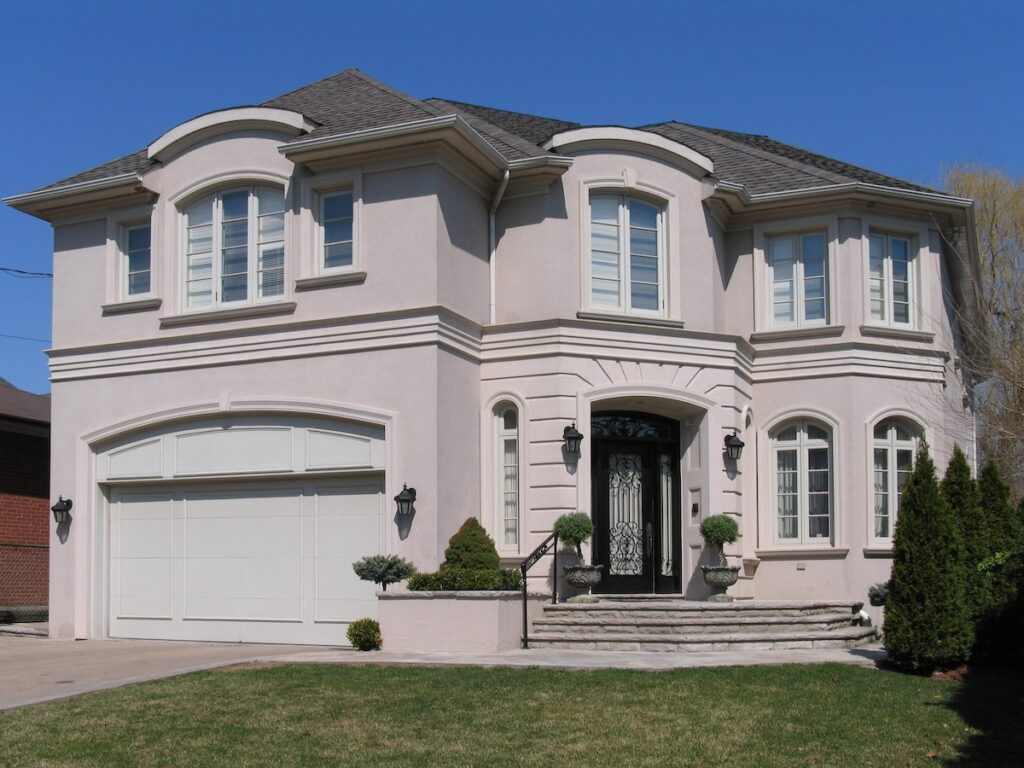
- Stucco Siding (Traditional and Synthetic): Stucco, especially when applied properly, offers impressive durability and can last up to 50 years. Synthetic stucco options, known as EIFS (Exterior Insulation and Finish Systems), add insulation benefits while maintaining resistance to moisture and cracking. This makes stucco a particularly good fit for dry or temperate climates.
❄️ How Each Option Handles Minnesota’s Climate
Minnesota’s mix of hot summers, cold winters, and stormy springs makes siding durability especially important.
Fiber Cement Siding
- Freeze-thaw protection: Won’t crack or swell in fluctuating temperatures.
- Fire resistance: Provides extra peace of mind.
Engineered Wood Siding
- Moisture defense: Protective treatments keep rot at bay.
- Classic look: Delivers the appearance of wood without the weaknesses.
Premium Vinyl Siding
- UV protection: Improved finishes reduce fading in sunny summers.
- Flexible performance: Withstands high winds when properly installed.
Metal Siding
- Durability under snow and ice: Especially strong against storm damage.
- Low maintenance: Doesn’t rot, warp, or attract pests.
Composite Siding
- Well-rounded resilience: Combines strength, style, and weather resistance.
- Eco-friendly: Many products are made from recycled materials.
Stucco Siding
- Longevity in dry climates: Performs best in less humid regions.
- Modern synthetic options: EIFS adds moisture resistance for broader applications.
✅ Additional Benefits Of Durable Siding
Durability doesn’t just protect your home — it adds lifestyle and financial advantages.

Curb Appeal
- Lasting beauty: Resistant finishes keep your home looking fresh.
- Design flexibility: Wide range of textures and colors enhance style.
Energy Efficiency
- Insulated options: Some siding types help reduce energy bills.
- Stable interior temperatures: Prevents drafts and heat loss.
Low Maintenance
- Minimal upkeep: Many options only need occasional cleaning.
- Reduced repair costs: Durability lowers the need for frequent fixes.
❗️ Common Mistakes To Avoid When Choosing Durable Siding
Even the strongest siding won’t perform well if chosen or installed incorrectly.
Prioritizing Price Over Quality
- Cheap siding costs more later: Lower-quality products may fail sooner, requiring replacement.
- Think long-term: Investing in premium materials often saves money over decades.
Skipping Professional Installation
- Expertise matters: Proper spacing, sealing, and fastening maximize durability.
- Warranty concerns: Many manufacturers require professional installation to honor coverage.
Ignoring Local Climate Needs
- Match siding to environment: Not all durable materials excel in every climate.
- Consult experts: Work with a contractor familiar with Minnesota’s conditions.
💡 Tips For Extending Siding Lifespan
Even durable siding benefits from occasional care and attention.
Schedule Regular Inspections
- Catch issues early: Small cracks or gaps can be fixed before they spread.
- Seasonal checks: Especially important after harsh winters or storms.
Keep It Clean
- Rinse annually: Use a garden hose to remove dirt, dust, and mildew.
- Gentle methods: Avoid high-pressure washing, which can damage finishes.
Maintain Surroundings
- Trim vegetation: Prevent branches from scratching or trapping moisture.
- Direct water away: Ensure gutters and downspouts move water safely.
👉 Durability That Delivers Peace Of Mind
Choosing the most durable siding in 2025 means more than picking a material that looks good — it’s about selecting protection that lasts. Whether you choose fiber cement, engineered wood, premium vinyl, metal, composite, or stucco, each option offers unique strengths that can keep your home safe, efficient, and beautiful.
At Voyager Exteriors, we help homeowners evaluate siding choices based on durability, style, and budget to ensure the best long-term results. If it’s time to upgrade your home’s exterior, contact us today for a free estimate and discover which siding option is right for you.