Give Us a Call!
(612) 998-9500
Give Us a Call!
(612) 998-9500 

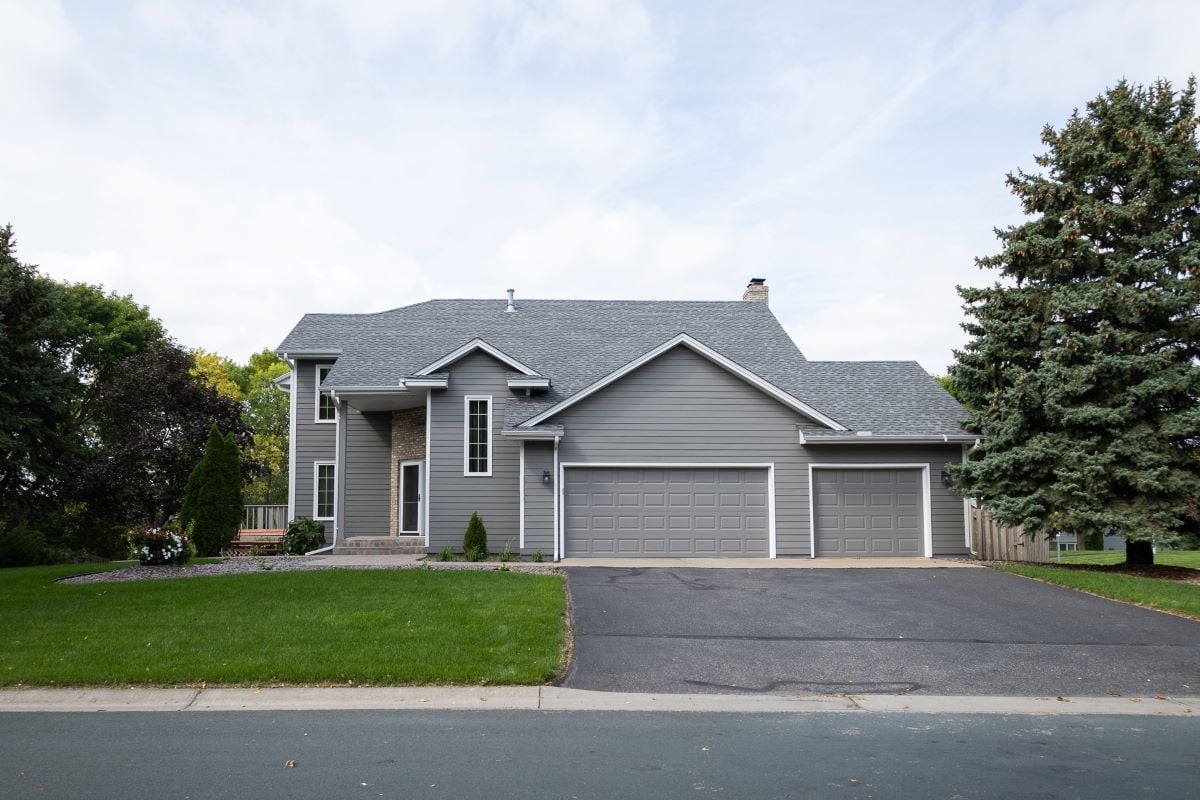


When planning a siding replacement or new home build, understanding siding underlayment is essential. This hidden but crucial layer acts as your home’s final line of defense against wind, rain, and moisture infiltration. For homeowners in White Bear Lake and surrounding areas, choosing the right underlayment can make the difference between a home that weathers every storm and one that suffers from mold, rot, or energy loss.
- Protection: Siding underlayment shields your home’s structure from moisture and air leaks.
- Longevity: It prevents hidden damage, extending your siding’s lifespan.
- Energy efficiency: A proper underlayment layer helps regulate indoor temperatures year-round.
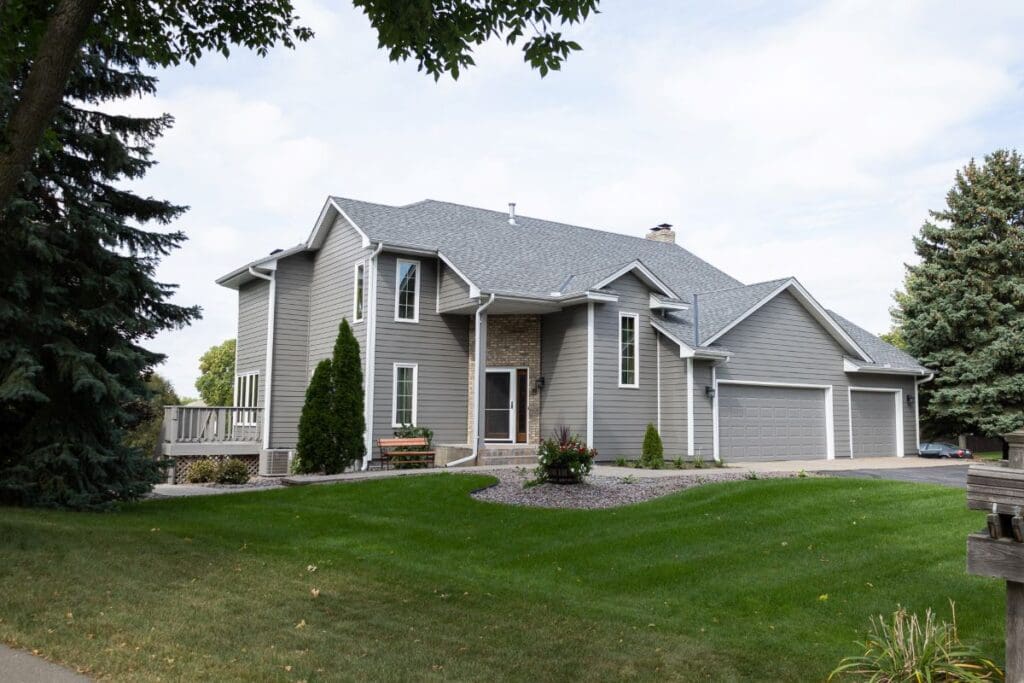
What Is Siding Underlayment?
Siding underlayment is a protective barrier installed between your home’s sheathing and the outer siding panels. Think of it as a waterproof jacket—it keeps moisture out while allowing trapped vapor inside the walls to escape. This breathable quality prevents mold growth, wood rot, and structural decay.
Underlayment materials come in various forms, each suited to different climates and siding types. In Minnesota’s cold and wet environment, high-quality underlayment is especially important for preventing moisture infiltration caused by snow, ice, and heavy rainfall.
The Role of Underlayment in Weatherproofing
Your home’s exterior faces constant exposure to the elements, making it vulnerable to water damage and air infiltration. Siding underlayment provides several layers of protection that work together to improve comfort and performance.
Moisture Barrier
- Function: Keeps rain and melting snow from penetrating walls.
- Benefit: Prevents rot, mildew, and water stains inside the home.
- Best option: Synthetic weather barriers or building wraps designed to repel water while remaining vapor-permeable.
Air Seal
- Function: Reduces air leaks that drive up heating and cooling costs.
- Benefit: Helps maintain stable indoor temperatures throughout the year.
- Best option: Seam-taped house wraps that create a continuous air barrier.
Secondary Protection Layer
- Function: Acts as a backup if outer siding becomes damaged or loosened.
- Benefit: Ensures water drains properly rather than soaking into wall sheathing.
- Best option: Durable, UV-resistant underlayments that maintain integrity during installation delays.
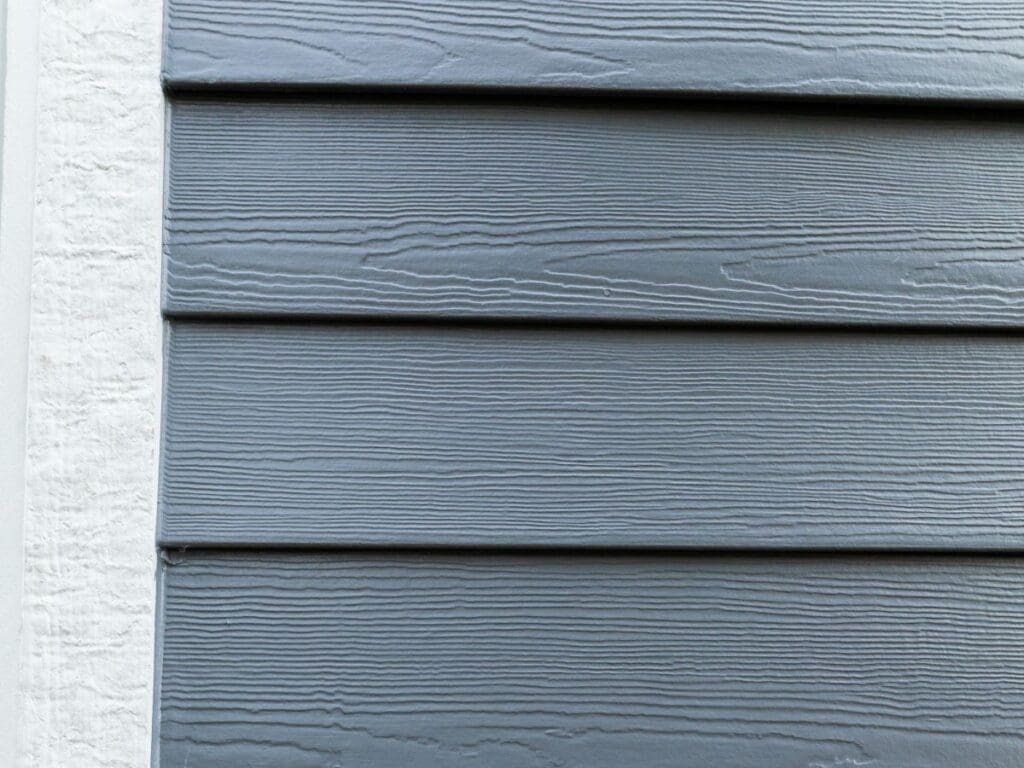
Common Types of Siding Underlayment
Different materials serve the same purpose but vary in durability, permeability, and cost.
1. House Wrap (Weather-Resistant Barrier)
House wrap is the most common type of siding underlayment, often made from synthetic fibers like polyethylene or polypropylene. Brands such as Tyvek and Typar are popular for their ability to block water while allowing vapor to escape.
- Advantages: Lightweight, easy to install, and suitable for most siding materials.
- Drawbacks: Can tear if installed improperly or left exposed to sunlight too long.
- Ideal use: Homes in White Bear Lake and surrounding areas with vinyl, wood, or fiber cement siding.
2. Felt Paper (Asphalt-Impregnated Paper)
Traditionally used before synthetic wraps became popular, felt paper still serves as a cost-effective underlayment option. It’s made from cellulose saturated with asphalt for moisture resistance.

- Advantages: Affordable and provides a basic water barrier.
- Drawbacks: Less durable and breathable than modern alternatives.
- Ideal use: Smaller projects or temporary siding protection.
3. Rigid Foam Board Insulation
While primarily used for insulation, foam board can act as an underlayment when placed beneath siding. It provides both a moisture barrier and thermal insulation, making it excellent for cold climates.
- Advantages: Adds insulation value (R-3 to R-6) and prevents condensation.
- Drawbacks: Must be sealed properly to prevent trapped moisture.
- Ideal use: Energy-efficient homes or full siding replacement projects.
4. Drainable House Wrap
This premium underlayment includes grooves or raised patterns that allow water to drain away from walls efficiently. It’s designed for areas with heavy rainfall or moisture-prone climates.
- Advantages: Prevents water buildup behind siding and speeds up drying.
- Drawbacks: Slightly higher cost than standard house wraps.
- Ideal use: Homes exposed to frequent storms or snowmelt.
The Installation Process
Proper installation ensures your siding underlayment performs as intended. Here’s how professionals like Voyager Exteriors handle the process:
- Surface Preparation: The sheathing is cleaned, dry, and smooth before underlayment application.
- Underlayment Installation: The barrier is rolled out horizontally with overlap at seams to prevent water penetration.
- Sealing Seams: High-quality tape or adhesive creates an airtight, watertight seal.
- Flashing Integration: Windows, doors, and corners are sealed with flashing to direct water away.
- Siding Installation: Once the underlayment is complete, siding panels are installed over it for full weatherproofing.
Professionals also ensure the underlayment is compatible with your chosen siding material—whether LP SmartSide, James Hardie, or vinyl—to maximize performance and warranty protection.
Why Siding Underlayment Is Crucial in Cold Climates
In regions like Minnesota, where freezing temperatures and moisture fluctuations are common, underlayment does more than keep walls dry—it helps your entire home stay warm and efficient.
Prevents Ice Damage
Snow and ice can melt and refreeze, forcing water into small gaps. A well-installed underlayment stops that moisture from reaching the structural layers beneath.
Improves Energy Efficiency
When combined with insulated siding or foam board, underlayment reduces air leaks and heat loss, keeping your home comfortable and lowering utility costs during long winters in White Bear Lake and surrounding areas.
Extends Siding Lifespan
By minimizing trapped moisture and thermal stress, underlayment helps siding materials resist warping, cracking, and premature aging.
Cost of Siding Underlayment
The price of underlayment depends on the material and installation complexity.
| Underlayment Type | Average Cost per Sq. Ft. (Installed) | Durability | Maintenance |
| Standard House Wrap | $0.50 – $1.00 | Good | Low |
| Drainable Wrap | $1.00 – $1.75 | Excellent | Very Low |
| Foam Board | $1.50 – $3.00 | Excellent | Low |
| Felt Paper | $0.40 – $0.75 | Moderate | Moderate |
Including underlayment in a siding replacement typically adds $1,000 to $3,000 to a full-home project—but the long-term protection it provides easily offsets this cost.
How To Know If Your Home Needs New Underlayment
If you’re replacing siding that’s more than 20 years old, it’s likely time to replace the underlayment as well.
Warning Signs
- Water stains or rot: Indicates moisture has bypassed old barriers.
- Drafty walls: Suggests air leaks reducing insulation performance.
- Mildew smell indoors: A sign of trapped moisture behind siding.
- Visible tears during inspection: Damaged underlayment cannot be patched effectively.
Professional contractors can assess your siding system to determine if new underlayment is necessary for optimal performance.
FAQs About Siding Underlayment
1. Is siding underlayment necessary for all homes?
Yes. Underlayment protects against air and water infiltration while improving energy efficiency. Even with high-quality siding, skipping underlayment increases the risk of moisture damage and reduced performance over time.
2. Can I install new underlayment without replacing my siding?
It’s possible, but not ideal. The siding would need to be carefully removed and reinstalled, which increases labor costs. Most homeowners in White Bear Lake and surrounding areas choose to add new underlayment during a full siding replacement.
3. How long does siding underlayment last?
With proper installation, most modern underlayment materials last 30–50 years. However, exposure to moisture, poor installation, or physical damage can shorten its lifespan, so periodic inspections are recommended.
Strengthen Your Home With Reliable Siding Underlayment
Though it’s hidden beneath your siding, siding underlayment plays one of the most important roles in your home’s weather defense system. It prevents water damage, boosts insulation performance, and extends the life of your siding. For homeowners in White Bear Lake and surrounding areas, ensuring proper underlayment installation means added protection against harsh Minnesota winters.
Voyager Exteriors specializes in complete siding systems, including expert underlayment installation. Contact Voyager Exteriors today to schedule your free estimate and discover how professional siding underlayment can keep your home stronger, warmer, and more efficient for decades to come.