Give Us a Call!
(612) 998-9500
Give Us a Call!
(612) 998-9500 



Warped siding is more than just an eyesore; it can indicate serious underlying problems that threaten your home’s appearance, protection, and energy efficiency. When siding begins to buckle, bend, or pull away from the wall, it often means environmental stress, installation issues, or material defects are at play. The good news is that with the right approach, you can fix the problem and prevent it from returning.
- Protect your investment: Addressing warping quickly prevents more costly damage to your siding and home structure.
- Improve curb appeal: Fixing warped or buckled panels instantly improves the look of your exterior.
- Boost efficiency: Properly fitted siding helps keep your home well-insulated and comfortable all year long.
🤔 Why Siding Warps Over Time
Siding is meant to stand up to the elements, but no material is immune to wear and tear. Warping occurs when siding panels lose their shape due to stress. That stress can come from temperature changes, trapped moisture, poor installation, or simply the breakdown of materials over time.
When panels warp, they can create gaps where rain, pests, and drafts enter. This not only affects your home’s look but also its ability to protect the structure beneath. Over time, unresolved warping can lead to water damage, rot, or even mold growth inside your walls — making prompt action critical.
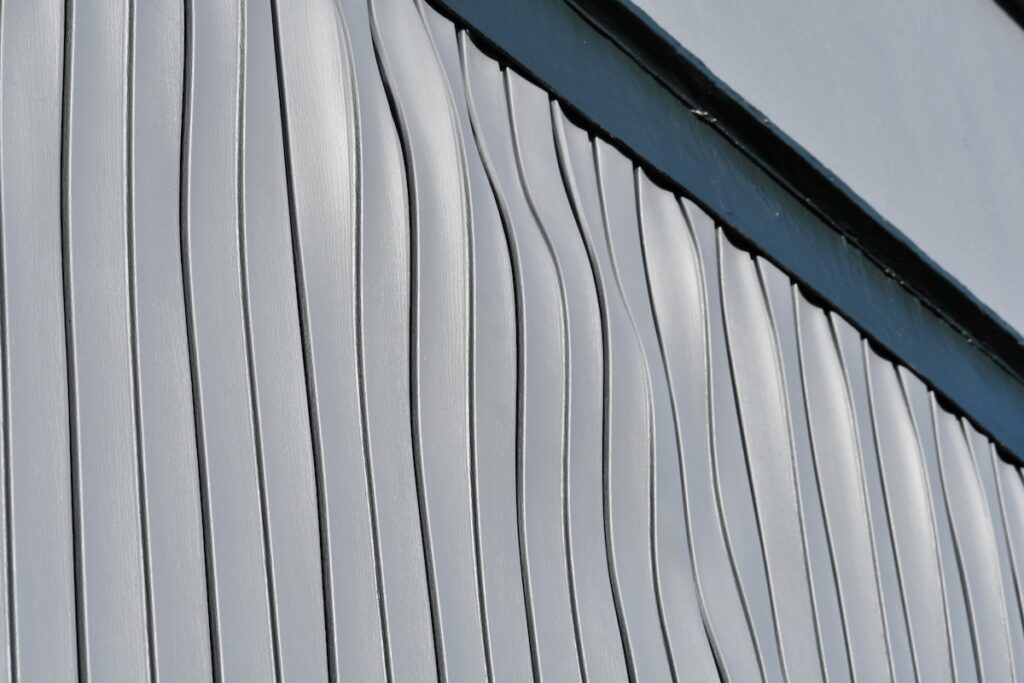
☀️ Common Causes Of Warped Siding
Understanding the specific cause of warping is the first step toward finding the right solution.
Heat And Sun Exposure
- Thermal expansion: Materials like vinyl expand and contract with temperature changes. If not installed with enough room to move, panels buckle when they heat up.
- Dark colors: Darker siding shades absorb more heat, which increases expansion and speeds up material breakdown.
- Reflected sunlight: Nearby windows can reflect concentrated sunlight onto siding, creating “hot spots” that warp certain areas faster than others.
Improper Installation
- Overly tight nailing: Siding needs slight flexibility to expand and contract naturally. Tight nails prevent movement, causing buckling.
- Misaligned panels: Even small installation errors can put stress on the material, creating pressure points where warping starts.
- Skipping manufacturer guidelines: Different materials have unique spacing and fastening requirements. Ignoring these can void warranties and cause premature damage.
Moisture Damage
- Water infiltration: If water seeps behind siding, it can swell or distort the panels.
- Poor drainage: Inadequate gutter systems, downspouts, or grading can keep water near the siding’s base.
- Lack of ventilation: Without airflow behind the siding, moisture lingers and accelerates warping or rot.
Material Defects Or Age
- Lower-quality products: Budget siding may look fine initially, but break down quickly under heat, cold, or moisture exposure.
- Natural wear: Even high-quality siding materials have a lifespan. After decades, weathering and repeated expansion-contraction cycles can lead to warping.
🛠️ How To Fix Warped Siding
The right repair method depends on the extent of the damage and the cause. Sometimes a quick fix is enough. Other times, replacement is the only reliable solution.
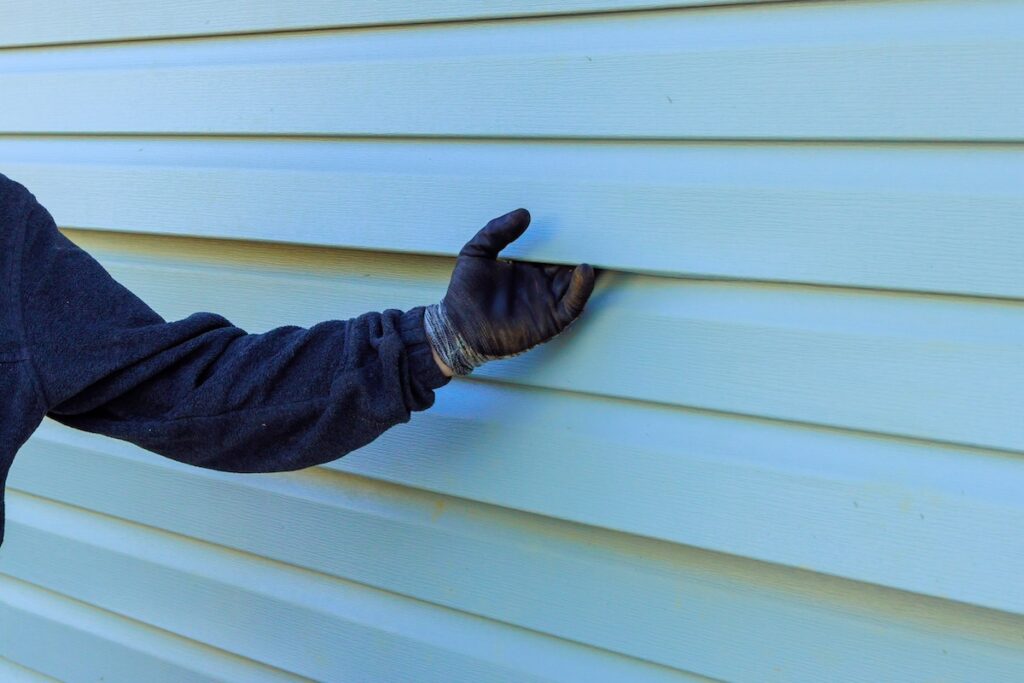
Repairing Minor Warping
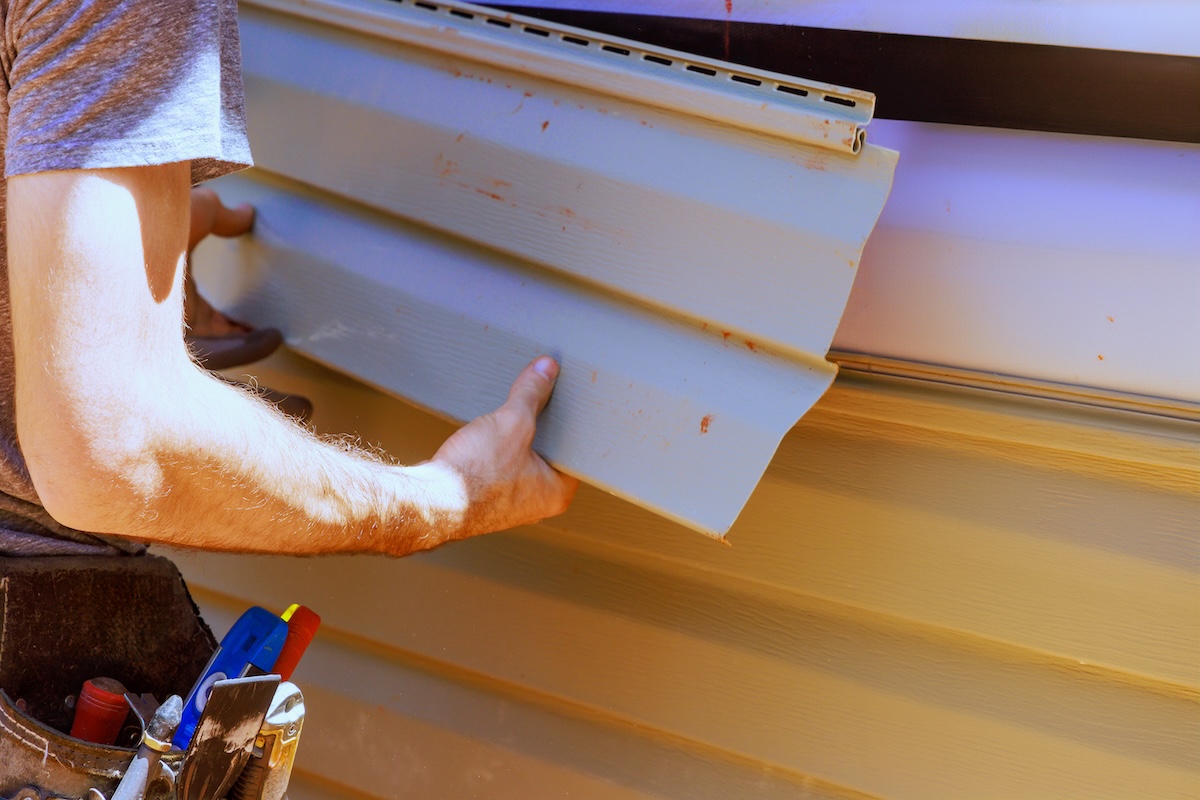
- Panel replacement: Swap out individual warped panels to restore appearance and function without replacing the whole wall.
- Adjusting nails: If panels were installed too tightly, a professional can loosen them slightly to allow proper expansion.
- Spot refinishing: In the case of wood siding, sanding and repainting small areas can restore shape and protect the material.
Addressing Moisture-Related Damage
- Improve drainage: Ensure gutters, downspouts, and grading direct water away from your home.
- Install moisture barriers: Adding or replacing house wrap behind siding can prevent water intrusion.
- Increase ventilation: Soffit vents or furring strips can improve airflow behind siding to help moisture evaporate.
Replacing Severely Damaged Siding
- Match existing materials: Choose siding that blends with your current color and profile for a seamless repair.
- Consider upgrades: If widespread warping is present, upgrading to a more durable, warp-resistant siding material can prevent future issues.
- Professional installation: Replacement done by experienced installers ensures correct spacing, fastening, and weatherproofing.
💪 Preventing Warped Siding In The Future
Once repairs are complete, prevention becomes your best tool for keeping siding looking great and performing well.
Choose Quality Materials
- Warp-resistant products: Fiber cement, engineered wood, and premium vinyl are less prone to distortion.
- Protective finishes: Factory-applied finishes help siding resist heat, UV rays, and moisture damage.
Hire Qualified Installers
- Follow best practices: Pros understand the exact spacing, nailing, and sealing techniques for each material type.
- Warranty protection: Professional installation keeps manufacturer warranties valid, giving you long-term coverage.
Maintain Your Siding
- Inspect annually: Look for early signs of warping, cracks, or loose panels.
- Clean regularly: Removing dirt and debris helps prevent mold and mildew growth, which can weaken siding.
- Trim landscaping: Keep bushes, trees, and vines away from siding to avoid trapping moisture.
🪵 How Different Siding Materials Resist Warping
Not all siding types respond to heat, moisture, and age in the same way. Here’s how some popular options compare:

- Vinyl siding: Affordable and low-maintenance, but more prone to heat-related warping if improperly installed.
- Fiber cement siding: Extremely resistant to warping and rot, even in harsh climates.
- Engineered wood siding: Offers the look of wood with added moisture and pest resistance, making warping less common.
- Traditional wood siding: Beautiful but more vulnerable to moisture and temperature changes; regular sealing is essential.
- Metal siding: Aluminum and steel resist warping but can dent under heavy impact.
📞 When To Call A Professional
If you spot large areas of warped siding, recurring buckling after previous repairs, or signs of water damage inside your home, it’s time to call an expert. Professionals can pinpoint the exact cause, recommend the best repair method, and ensure the work is done correctly.
Often, warping is just one symptom of a larger issue like improper flashing, inadequate waterproofing, or a compromised moisture barrier, problems that require trained expertise to fix. Acting quickly not only restores your home’s look but also prevents deeper structural damage.
🏠 Protect Your Home From Warping
Warped siding is more than a cosmetic concern; it’s a warning sign that your home’s exterior needs attention. By identifying the cause, fixing damage promptly, and taking preventive steps, you can extend the life of your siding and keep your home looking its best for years.
At Voyager Exteriors, we specialize in repairing, replacing, and upgrading siding to stand up against the elements while boosting curb appeal. Whether you need a quick panel swap or a complete siding replacement, our experienced team will guide you every step of the way. Contact us today for a free estimate and expert recommendations tailored to your home.