Give Us a Call!
(612) 998-9500
Give Us a Call!
(612) 998-9500 

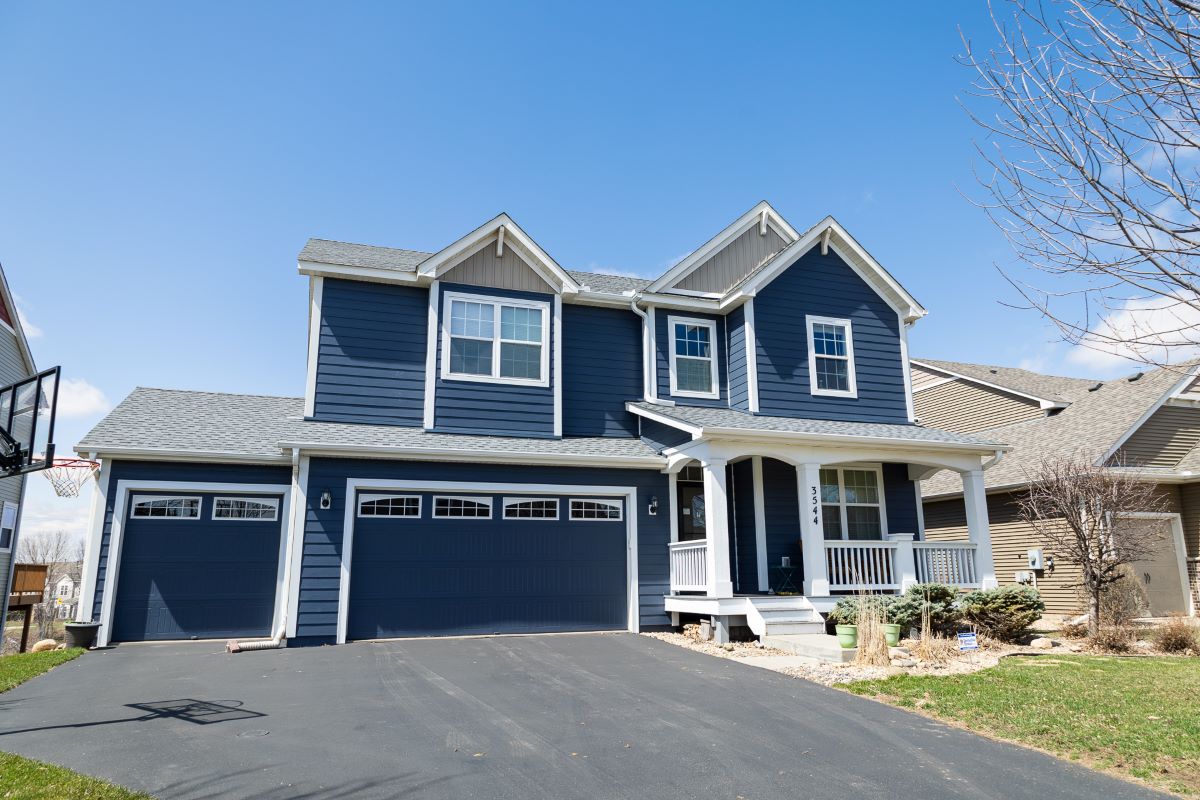


When temperatures drop, homeowners often look for better ways to stay warm and reduce energy costs—and siding insulation plays a major role in making that happen. Properly insulated siding helps maintain consistent indoor temperatures, protects against drafts, and prevents costly heat loss. For those in North Oaks and surrounding areas, understanding the costs, benefits, and winter maintenance tips of siding insulation can make all the difference in comfort and efficiency.
- Energy efficiency: Insulated siding reduces heat loss, keeping homes warmer in winter and cooler in summer.
- Comfort: Improved insulation minimizes drafts and uneven indoor temperatures.
- Savings: Lower energy usage means lower monthly heating and cooling bills.
What Is Siding Insulation?
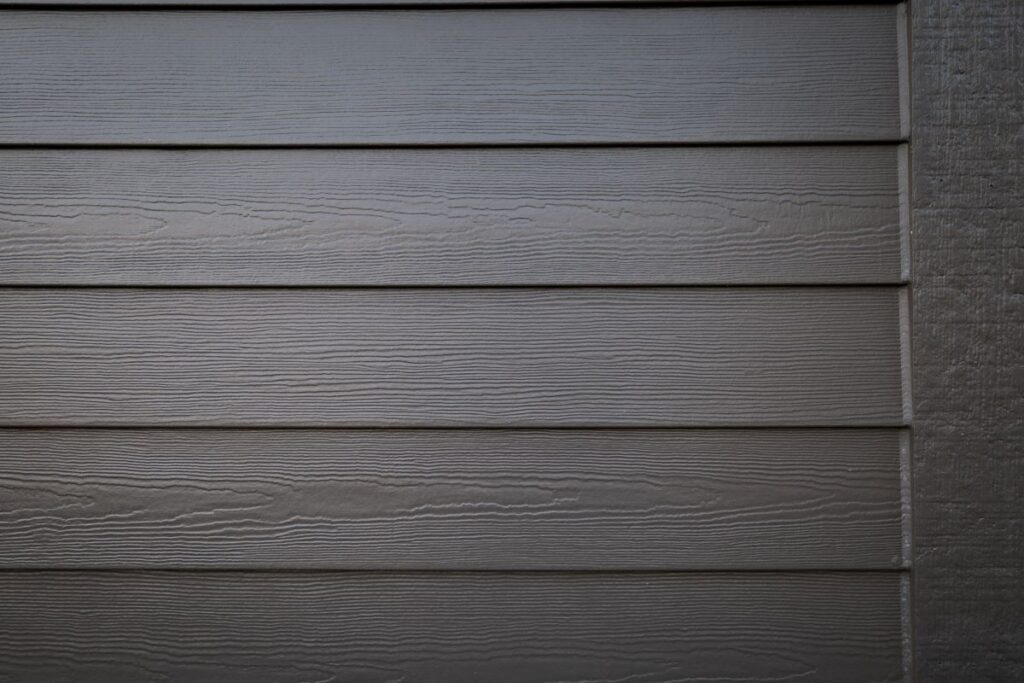
Siding insulation refers to the thermal barrier installed behind or integrated into your home’s exterior siding. It serves as a protective layer that keeps heat inside during cold months and outside during summer. There are several types of insulation materials used in conjunction with siding, each with different performance levels and costs.
Common Siding Insulation Types
- Foam board insulation: Made of rigid panels (such as polystyrene or polyiso), foam board is placed under siding to improve the wall’s R-value.
- Insulated vinyl siding: Features built-in foam backing that enhances strength and energy efficiency.
- House wrap and barrier layers: Used beneath siding to prevent air leaks and moisture infiltration.
Each option provides different levels of protection depending on your siding material and climate. In colder regions like North Oaks and surrounding areas, combining insulated siding with a high-quality moisture barrier offers the best results.
Average Cost of Siding Insulation
The cost of siding insulation varies depending on material type, home size, and whether it’s part of a full siding replacement project or a retrofit.
| Insulation Type | Average Cost per Sq. Ft. (Installed) | Energy Efficiency (R-Value) | Maintenance Level |
| Foam Board Insulation | $1.50 – $3.00 | R-3 to R-6 | Low |
| Insulated Vinyl Siding | $6.00 – $12.00 | R-2.5 to R-4 | Low |
| House Wrap / Weather Barrier | $0.50 – $1.50 | R-1 to R-2 | Very Low |
For a typical home in Minnesota, adding insulation during a siding replacement costs between $5,000 and $12,000 total, depending on materials and square footage. While this increases the project cost, it pays off long-term through reduced utility bills and improved comfort.
Benefits of Insulated Siding
Adding siding insulation provides both immediate and long-term advantages that go beyond energy efficiency.
Enhanced Energy Efficiency
Insulated siding reduces heat transfer through your home’s walls, keeping interiors warmer during winter and cooler during summer. The result is a more consistent temperature year-round and lower energy consumption.

Noise Reduction
The foam or barrier material also acts as a sound buffer, reducing outdoor noise such as wind or traffic. Homeowners in North Oaks and surrounding areas appreciate this added benefit, especially if their home sits near busy roads.
Moisture Protection
Insulation adds another defense layer against rain, snow, and condensation. When installed with proper flashing and ventilation, it helps prevent mold, mildew, and rot behind your siding.
Increased Home Value
Upgrading your siding insulation not only improves comfort—it also boosts resale value. Prospective buyers see energy-efficient features as a major selling point, especially in colder climates.
5 Winter Tips for Maximizing Siding Insulation
Even with quality insulation, your siding needs care during Minnesota’s harsh winters. These simple steps help ensure your insulated siding performs at its best.
1. Inspect for Cracks or Gaps
Regularly check around seams, windows, and door frames for gaps where cold air could leak in. Even a small crack can reduce insulation effectiveness. Seal any openings with weatherproof caulk or consult a professional if you suspect deeper structural issues.
2. Keep Siding Clean and Clear
Dirt and debris can trap moisture against siding panels, which may compromise insulation over time. Clean your siding with a mild detergent and a garden hose to remove grime. Avoid high-pressure washers that could force water behind panels or damage foam insulation layers.
3. Check for Moisture Build-Up
Condensation and ice dams can lead to hidden moisture problems that reduce insulation efficiency. Inspect your eaves, soffits, and lower siding sections for water stains or frost buildup. If you notice these signs, have your siding and attic ventilation evaluated to prevent long-term damage.
4. Trim Overhanging Branches
Snow-laden branches can scrape against siding and puncture insulation layers beneath. Regularly trim trees near your home to protect against falling limbs and reduce shade that slows drying after snowfall.
5. Schedule a Professional Siding Inspection
Annual inspections by experts like Voyager Exteriors ensure your siding and insulation remain in top condition. Professionals can spot hidden gaps, warping, or water intrusion that homeowners might overlook. This proactive step helps maintain your home’s energy efficiency and prevents major repair costs down the road.
How Siding Insulation Compares to Other Energy Upgrades
Adding insulation behind siding provides lasting benefits that rival or exceed other common home energy improvements.
| Upgrade Type | Average Cost | Average Energy Savings | Lifespan |
| Attic Insulation | $2,000 – $4,000 | 10–15% | 20–30 years |
| Window Replacement | $8,000 – $15,000 | 10–20% | 20–30 years |
| Siding Insulation | $5,000 – $12,000 | 15–25% | 30–50 years |
When combined with attic insulation and efficient windows, insulated siding can significantly reduce overall energy costs and improve indoor comfort levels.
When To Add or Upgrade Siding Insulation
The best time to add insulation is during a siding replacement project. Since the existing siding must be removed, contractors can easily install foam board or insulated panels before reinstalling the new siding.
If your home already has insulation but feels drafty, it may be time for an upgrade. Signs include:
- Rising utility bills despite no changes in usage.
- Cold walls or floors near exterior surfaces.
- Condensation or mildew on interior walls.
- Uneven heating from room to room.
A professional energy audit or infrared inspection can help determine whether your current insulation is performing effectively.
FAQs About Siding Insulation
1. How much does insulated siding improve energy efficiency?
Depending on your home’s construction, insulated siding can improve overall energy efficiency by 15–25%. The exact amount varies by material type, siding thickness, and whether additional insulation layers are installed.
2. Can siding insulation be added without replacing the siding?
Yes, but it’s more complex. Retrofitting insulation beneath existing siding often requires partial removal of panels and reinstallation. In most cases, homeowners in North Oaks and surrounding areas add insulation during full siding replacements for better results and lower labor costs.
3. What’s the best siding insulation for cold climates?
Rigid foam board and insulated vinyl siding are ideal for cold regions. They offer high R-values and resist moisture penetration. Combining these materials with a weather-resistant barrier ensures optimal performance through Minnesota’s harsh winters.
Stay Warm and Save Energy With Quality Siding Insulation
Siding insulation is one of the smartest upgrades homeowners can make to increase comfort, reduce energy bills, and protect their homes year-round. When properly installed, it improves efficiency, adds resale value, and safeguards against winter weather. For homeowners in North Oaks and surrounding areas, Voyager Exteriors provides expert installation of insulated siding systems designed for long-lasting performance.
Contact Voyager Exteriors today to schedule your free siding consultation and learn how professional siding insulation can transform your home’s comfort and efficiency this winter.