Give Us a Call!
(612) 998-9500
Give Us a Call!
(612) 998-9500 


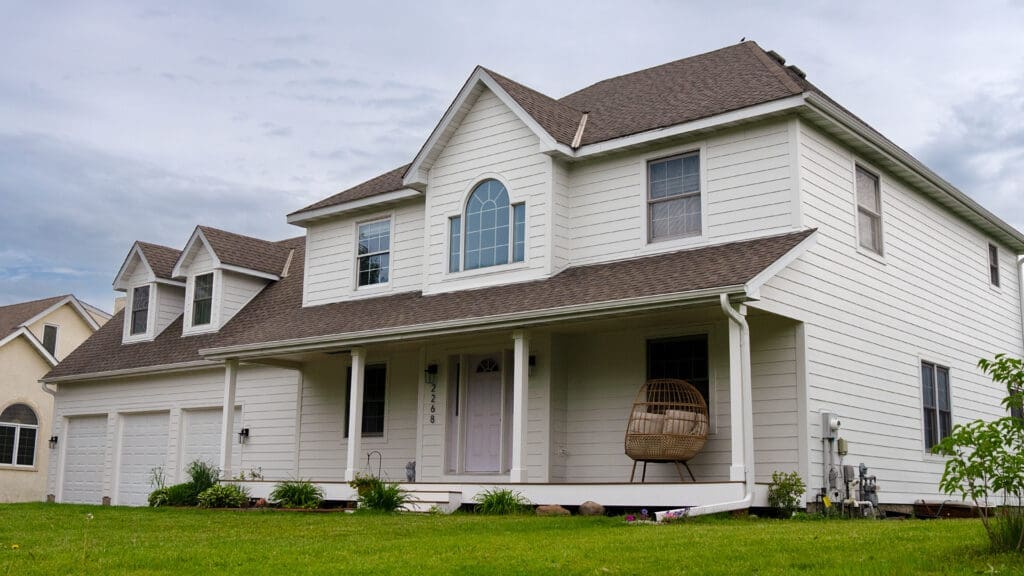
Your house siding does more than make your home look good — it’s the first line of defense against everything Minnesota summer throws at it. Heat, humidity, wind-driven rain, and hail put different kinds of stress on your exterior walls. Understanding how these forces work helps you know what to watch for, when minor changes are normal, and when it’s worth getting a professional opinion.
In This Article:
- Why siding works harder during Minnesota summer weather
- How heat and sun affect house siding
- How humidity and wind-driven rain create moisture concerns
- What hail and wind can do to siding
- Ground-level checks homeowners can do safely
- When siding concerns deserve a professional look
- Frequently asked questions
Why Siding Works Harder During Minnesota Summer Weather
Minnesota summers combine heat, humidity, and the threat of severe weather — sometimes within the same week. The Twin Cities region regularly sees temperatures in the 90s alongside dew points that make the air feel heavy, followed by afternoon or evening thunderstorms capable of producing hail and strong winds. The National Weather Service Twin Cities office regularly highlights this combination as a concern throughout the summer months.
All of that puts exterior siding through cycles of expansion, moisture exposure, and impact stress that don’t let up for months. Siding for houses is designed to handle this, but how well it holds up depends on the material, the quality of installation, and how the underlying wall system is built.
How Heat and Sun Affect House Siding
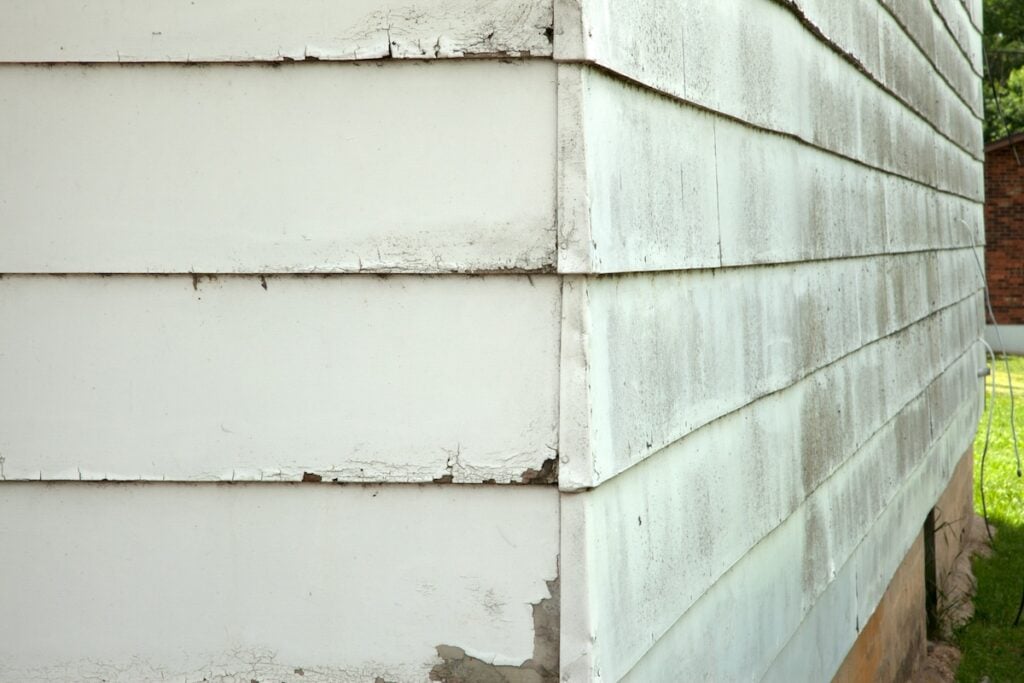
UV exposure and heat cause every house siding material to expand and contract as temperatures rise and fall. Most products are engineered with this movement in mind — vinyl siding, for example, is designed to float on its fasteners rather than be nailed tight, precisely because it expands significantly in heat. If vinyl was installed too tightly or fastened incorrectly, you may notice buckling or warping on the warmest days of summer.
Fading is another common heat effect. UV rays break down pigment over time on painted wood, hardboard, and some fiber cement products. Darker colors typically show fading sooner than lighter ones, and south- and west-facing walls tend to take the most sun exposure.
What’s normal vs. what to watch for
Some expansion, contraction, and gradual color change over time are expected with most siding materials. What’s worth a closer look:

- Vinyl panels that are visibly buckling or pulling away from the wall
- Fiber cement or wood siding with paint that is peeling, cracking, or chalking across large sections
- Gaps opening up at joints or corners that weren’t there before
How Humidity and Wind-Driven Rain Create Moisture Concerns
Humidity is less about dramatic visible damage and more about what builds up quietly over time. Minnesota’s summer moisture creates conditions where water can find its way into gaps at seams, around window and door trim, at penetrations like outlets and vents, and anywhere installation details weren’t executed carefully.
The exterior siding itself is only part of the system. Underneath it is a weather-resistive barrier (WRB) — typically a house wrap or asphalt felt — that helps manage any moisture getting behind the cladding. The 2020 Minnesota Residential Code (R703.2) requires exterior walls to include a water-resistive barrier to prevent moisture from accumulating within the wall assembly. [VERIFY: WRB requirement language — Minnesota DLI Re-Siding Fact Sheet]
When flashing and sealing details are done correctly, moisture has a path to drain out rather than accumulate. When they’re not, you may eventually see water staining, paint failure, or soft spots at the base of walls — signs that water has been getting in somewhere for a while.
Areas worth checking after extended rainy periods
- Caulking around windows, doors, and trim — look for gaps, cracks, or dried-out sections
- The base of walls where siding meets foundation trim
- Around penetrations: spigots, electrical outlets on exterior walls, dryer vents
What Hail and Wind Can Do to Siding
Hail and strong winds are a regular part of Minnesota summer weather, and exterior siding takes direct hits. Different house siding materials respond differently to impact.
Vinyl siding can crack or show round impressions from larger hailstones, especially on older or sun-weakened panels. Fiber cement and steel siding are generally more impact-resistant by design, though steel can dent and fiber cement can chip at cut edges. Wood and hardboard products may show surface splits or accelerated paint failure after hail. According to the Insurance Institute for Business & Home Safety (IBHS), significant hailstorms can result in millions — and sometimes billions — of dollars in damage to siding and building materials across the country.
IBHS Hail Guidance for Home Owners → View Ibhs Hail
Wind alone rarely damages properly fastened siding. Wind-driven rain is a different concern — it can force water into small gaps that would go unnoticed during a normal rain event.
One important point: visible marks on your siding after a storm don’t automatically mean the material has failed or that water has gotten in. They’re worth documenting and having evaluated — not a reason to assume the worst.
Ground-Level Siding Checks Homeowners Can Do Safely
After a significant storm or at the start of each season, a walk around the perimeter of your home takes about 15 minutes and gives you useful information. These are siding maintenance checks anyone can do from the ground.
What to look for:
- Cracked, dented, or missing siding panels
- Sections that appear to be pulling away from the wall or sitting at an odd angle
- Paint peeling or water staining on or below siding sections
- Gaps opening at trim, corners, windows, or doors that weren’t there before
- Soft or discolored areas at the base of walls near the foundation
Take photos of anything unusual and note where on the home it’s located. This documentation is useful whether you’re filing an insurance claim or scheduling a contractor visit.
Stay on the ground. Don’t climb a ladder to inspect siding after a storm, and don’t try to probe or remove panels yourself — that’s a job for a contractor with the right experience.
When Siding Concerns Deserve a Professional Look
Not every change in your exterior deserves an immediate call. But some situations are worth getting a professional opinion on sooner rather than later:
- You can feel air movement near outlets or switch plates on exterior walls
- You notice interior water staining on walls that face outside, following storms
- Multiple panels are cracked, displaced, or clearly damaged
- There’s visible soft or spongy material at the base of a wall where siding meets the foundation
- You’re considering re-siding and want to understand what’s behind the existing material
Per the Minnesota Department of Labor and Industry (DLI), re-siding an existing home requires a building permit and inspections. Exterior siding materials — fiber cement, vinyl, steel, wood, and hardboard — must be installed in accordance with the 2020 Minnesota Residential Code and manufacturer installation instructions. In our experience working on homes across the Twin Cities, the inspection process often surfaces moisture or flashing issues that weren’t visible from the outside.
Contact an experienced local contractor, Voyager Exteriors and learn more about our siding services.
Frequently Asked Questions
Does summer heat actually damage house siding? Heat alone rarely damages siding that was installed correctly. The main effects are thermal expansion (most noticeable in vinyl) and gradual UV fading over time. Problems are more likely when installation didn’t account for material movement — such as vinyl fastened too tightly to allow for expansion.
Can humidity cause siding to fail? Humidity by itself doesn’t typically cause siding failure. The bigger factors are the quality of the weather-resistive barrier, flashing at windows and doors, and how well seams and penetrations were sealed. When those details are right, the system manages moisture well. When they’re not, humidity creates conditions that accelerate problems.
What does hail damage to siding look like? It depends on the material. Vinyl may show cracks or round impressions. Steel may dent. Fiber cement may chip at edges. Not every visible mark means the wall system has been compromised — but storm damage is worth documenting and having a contractor evaluate.
What siding maintenance should I do each year? At minimum: walk the perimeter and check for cracked or loose panels, inspect caulking around windows and doors, clear debris from the base of walls, and look for water staining at the base of exterior walls. Catching small issues early is much less expensive than addressing moisture damage that’s had time to develop.
When should I call a siding contractor after a storm? If you notice cracked or displaced panels, water staining on interior walls facing the exterior, or any opening where air or water could be entering the wall assembly, it’s worth scheduling an assessment. Cosmetic marks alone may not require immediate action — but when you’re unsure, a professional opinion costs you nothing but a phone call.
Your Siding Is Part of a Bigger System
Minnesota summers test house siding in several ways at once — heat and UV exposure, humidity-driven moisture, and storm impacts all work on different parts of the exterior wall system. Most well-installed siding handles this without much drama. The situations worth paying attention to are those where the wall assembly behind the cladding may be getting water it shouldn’t.
If you’re seeing signs that warrant a closer look, contact Voyager Exteriors to talk through your options. We work with homeowners across the Twin Cities metro and can help you figure out what, if anything, makes sense to do next.