Give Us a Call!
(612) 998-9500
Give Us a Call!
(612) 998-9500 

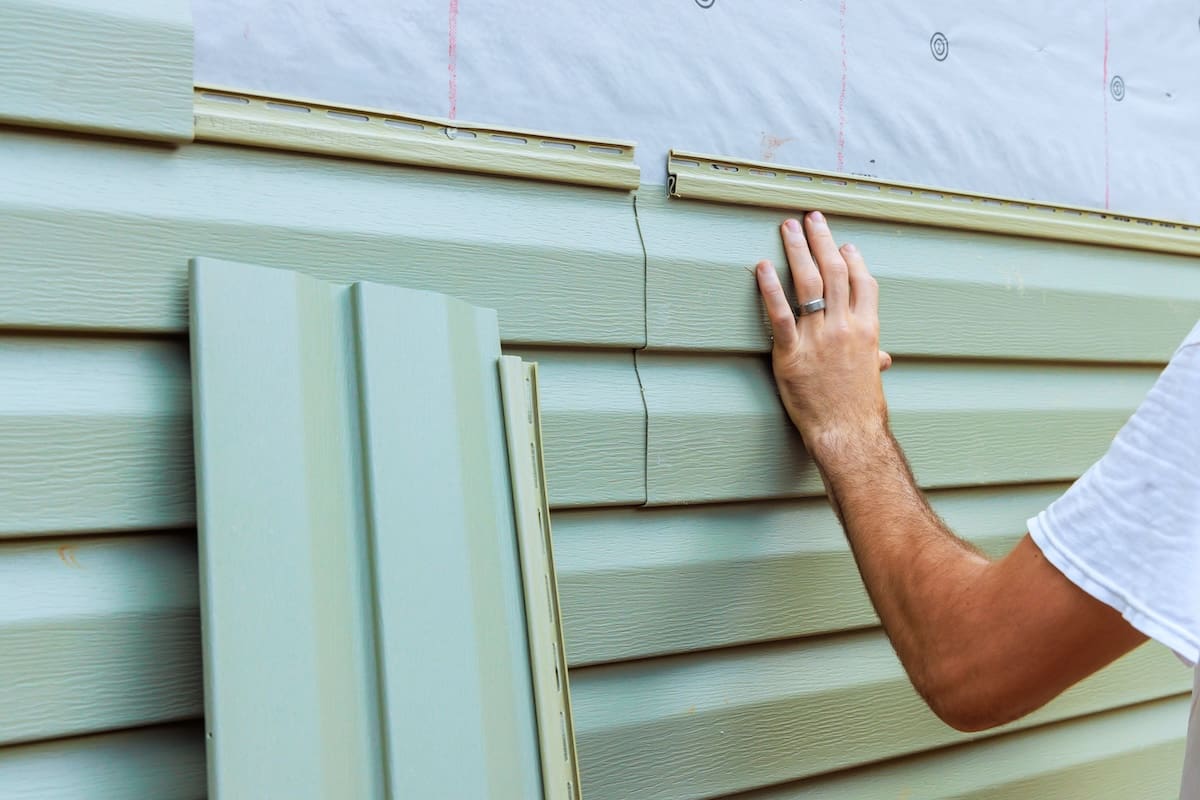


One of the most common questions homeowners ask after storm damage or unexpected issues is, does homeowners insurance cover siding replacement? The short answer is: sometimes. Whether your siding replacement is covered depends on the cause of the damage, the specifics of your insurance policy, and how well your siding has been maintained. Understanding these details helps you avoid costly surprises and ensures you’re prepared if damage occurs.
- Know your coverage: Not every type of damage is included in standard homeowners insurance.
- Prevent costly repairs: Coverage can make a huge difference in siding replacement expenses.
- Be proactive: Regular maintenance and documentation can support your claim.
❗️ Why Insurance Coverage Matters For Siding
Siding isn’t just cosmetic, it’s your home’s protective shell against weather, pests, and moisture. When siding is damaged, your home becomes vulnerable to water infiltration, mold growth, and structural issues. Because siding replacement can be a major expense, insurance coverage is often the deciding factor in whether homeowners can afford necessary repairs.
Understanding what’s covered, and what isn’t, ensures you’re not left footing the bill.

👉 What Homeowners Insurance Typically Covers
Most standard policies include protection against sudden, accidental damage. That means if siding is harmed by certain unexpected events, your insurance may step in to help pay for repair or replacement.
Covered Perils
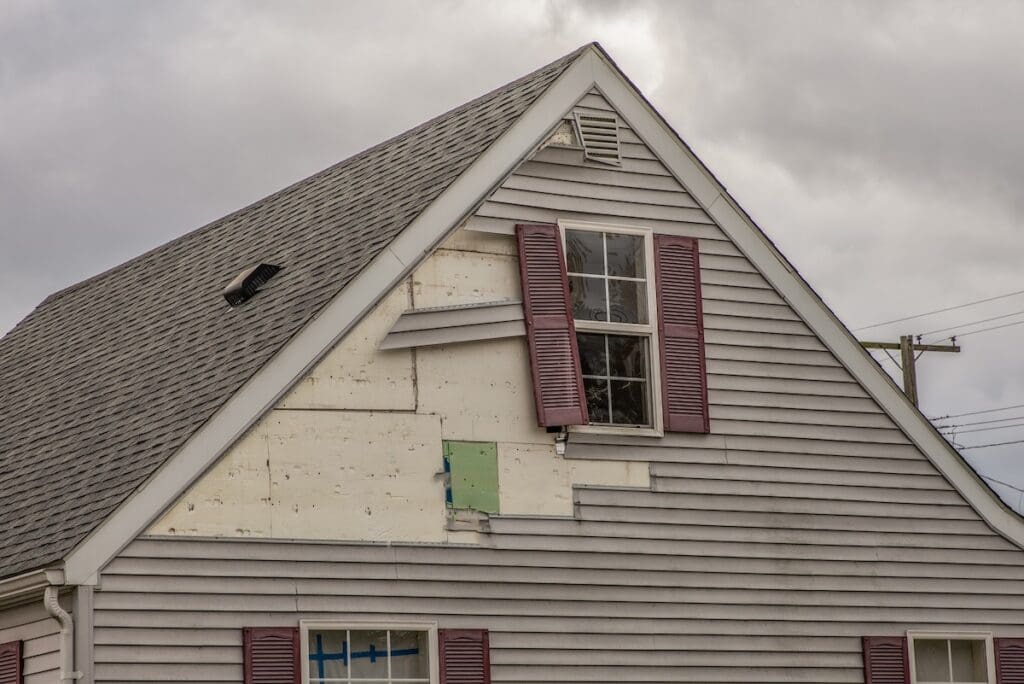
- Storm damage: High winds, hail, and heavy storms are usually covered causes of damage.
- Fire and smoke: Damage from house fires or wildfires typically qualifies.
- Falling objects: If a tree limb crashes into your siding, your policy may cover it.
- Vandalism: Deliberate damage is often included.
Partial vs. Full Coverage
- Partial replacement: Some insurers only pay for the damaged sections.
- Full replacement: Others will cover all siding so the colors and textures match.
❌ What Insurance Usually Does Not Cover
Homeowners insurance is designed for sudden events, not gradual wear and tear. Certain issues are typically excluded from coverage.
Common Exclusions
- Normal aging: Fading, warping, or cracking from age is not covered.
- Poor maintenance: Neglected siding won’t qualify for coverage.
- Pest damage: Termite or insect infestations are usually excluded.
- Flooding: Water damage from rising floodwaters requires separate flood insurance.
Cosmetic Mismatches
- Color differences: If new siding doesn’t perfectly match old siding, coverage may stop at the functional repair.
- Upgrades: Choosing a premium siding upgrade beyond what was damaged may increase your out-of-pocket costs.
✅ 5 Steps To File A Claim For Siding Replacement
If your siding suffers sudden damage, knowing the proper steps for filing a claim can make the process smoother and more successful.
1. Document The Damage
- Take photos and videos: Capture close-ups and wide shots for context.
- Note the date and cause: Weather events or accidents should be clearly recorded.
2. Review Your Policy
- Understand your deductible: Know how much you’re responsible for before coverage begins.
- Check coverage details: Look for exclusions or partial replacement clauses.
3. Contact Your Insurance Company
- Report damage promptly: Waiting too long may hurt your chances of approval.
- Provide evidence: Submit documentation and photos with your claim.
4. Schedule An Adjuster Visit
- On-site inspection: The insurance company will send an adjuster to assess the damage.
- Have a contractor present: Having a siding professional there ensures all damage is noted.
5. Get Contractor Estimates
- Compare quotes: Obtain detailed siding replacement estimates.
- Submit estimates: Share with your insurer to confirm coverage amounts.
💡 Tips For Getting Claims Approved
Insurance companies can be strict when approving siding claims. Following best practices increases your chances of success.

Keep Maintenance Records
- Track upkeep: Save receipts from inspections, repairs, and cleanings.
- Prove responsibility: Documentation shows damage wasn’t due to neglect.
Work With Certified Contractors
- Professional credibility: Insurers are more likely to approve claims when licensed contractors are involved.
- Accurate assessments: Experienced pros know how to identify storm or fire-related damage.
Know Your Rights
- Appeal denials: If coverage is unfairly denied, request a reinspection.
- Understand state laws: Some states require insurers to replace siding entirely if new panels won’t match.
💵 Cost Considerations With Insurance
Even when insurance covers siding replacement, homeowners should understand the financial details involved.
Deductibles
- Out-of-pocket costs: You’ll need to pay your deductible before coverage applies.
- Varying amounts: Higher deductibles may lower your premium but increase your expense during claims.
Coverage Limits
- Maximum payout: Policies often cap the amount they’ll cover.
- Replacement value vs. actual cash value: Replacement value policies cover full costs, while cash value policies account for depreciation.
Upgrades And Extras
- Premium siding choices: Upgrading beyond your damaged siding type may mean added expenses.
- Energy efficiency incentives: Some insurers may support upgrades if they reduce future risks.
⚠️ When To Replace Siding Without Insurance
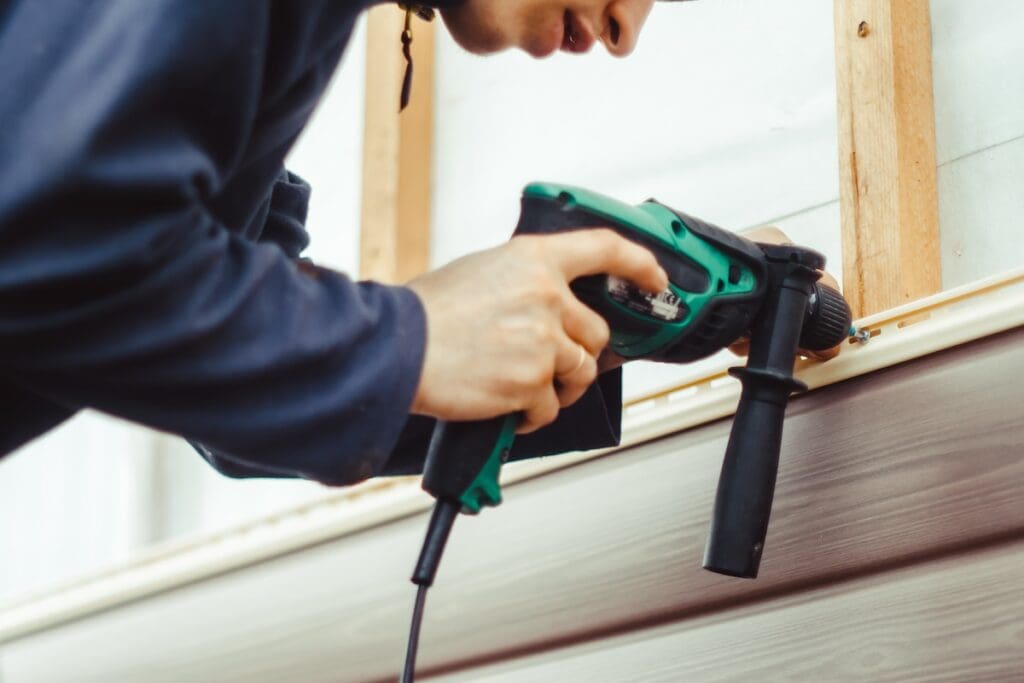
Sometimes insurance won’t apply, but replacement is still necessary. If your siding is near the end of its lifespan, showing significant wear, or contributing to energy loss, investing in replacement can still be worthwhile.
New siding not only protects your home but also boosts resale value and improves comfort. Modern options like fiber cement, engineered wood, and insulated vinyl siding offer both durability and style.
👷 Why Work With Professionals During The Insurance Process
Navigating insurance claims can feel overwhelming, especially after storm damage. Partnering with a trusted siding contractor ensures you get accurate damage assessments, professional repair estimates, and proper installation. Contractors can also meet with adjusters to make sure all damage is accounted for, helping maximize your claim approval.
🏠 Coverage Depends On Cause And Care
So, does homeowners insurance cover siding replacement? The answer depends on the type of damage and the terms of your policy. While sudden events like storms and fires are often covered, routine wear and neglect are not. Being proactive with maintenance, documentation, and professional support can help you make the most of your coverage.
At Voyager Exteriors, we specialize in helping homeowners repair or replace siding with precision and care. If your home has been damaged, we can guide you through the insurance process and ensure your siding is restored to both beauty and strength. Contact us today for a free estimate and let us help you protect your home and your investment.