Give Us a Call!
(612) 998-9500
Give Us a Call!
(612) 998-9500 

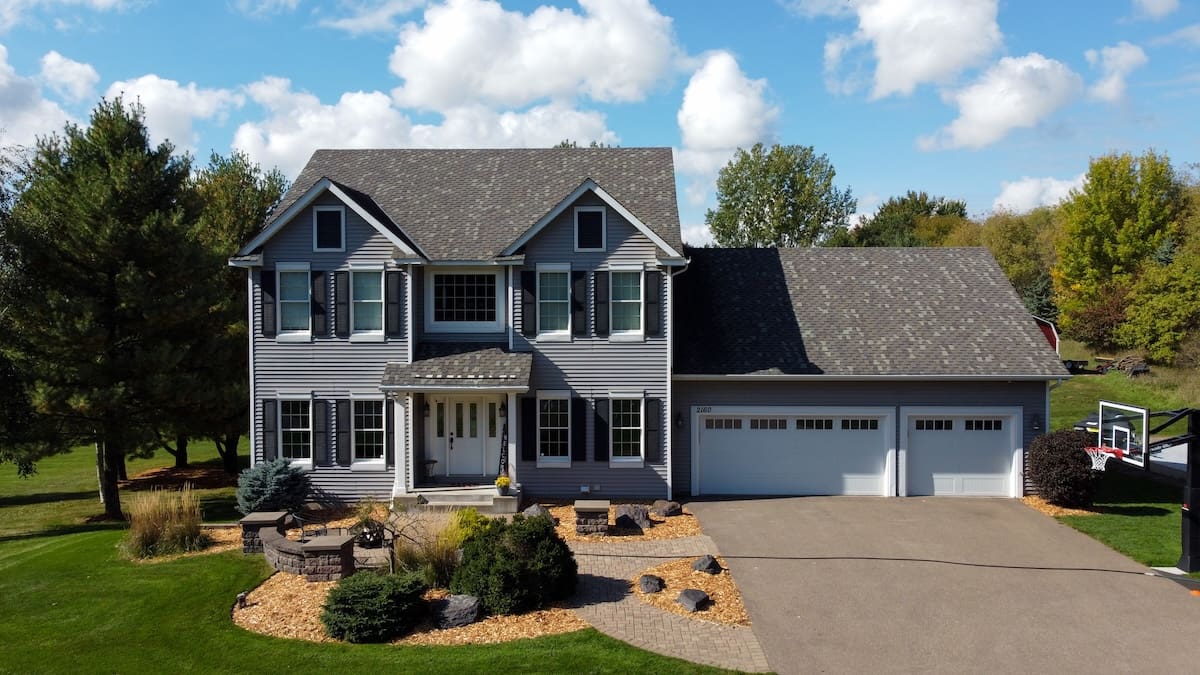


One of the most common questions homeowners ask is, how often does siding need to be replaced? The answer depends on the type of siding, the local climate, the quality of installation, and how well the material has been maintained over the years. Knowing the expected lifespan of your siding, and the warning signs of aging, helps you plan ahead and protect both your home’s appearance and its structural integrity.
- Protect your investment: Timely siding replacement prevents water damage, rot, and costly repairs.
- Boost curb appeal: New siding instantly improves your home’s look and market value.
- Improve efficiency: Modern siding materials offer better insulation, lowering energy costs.
❗️ Why Siding Replacement Matters
Siding isn’t just decorative: it’s your home’s first line of defense against weather, pests, and temperature swings. When siding begins to fail, it can no longer perform its protective role, leaving your house vulnerable to water infiltration, mold, and structural damage.
Replacing siding on time ensures your home maintains its curb appeal, stays energy efficient, and avoids larger, more expensive repairs. Even the most durable siding materials won’t last forever, which is why understanding their expected lifespans is key.
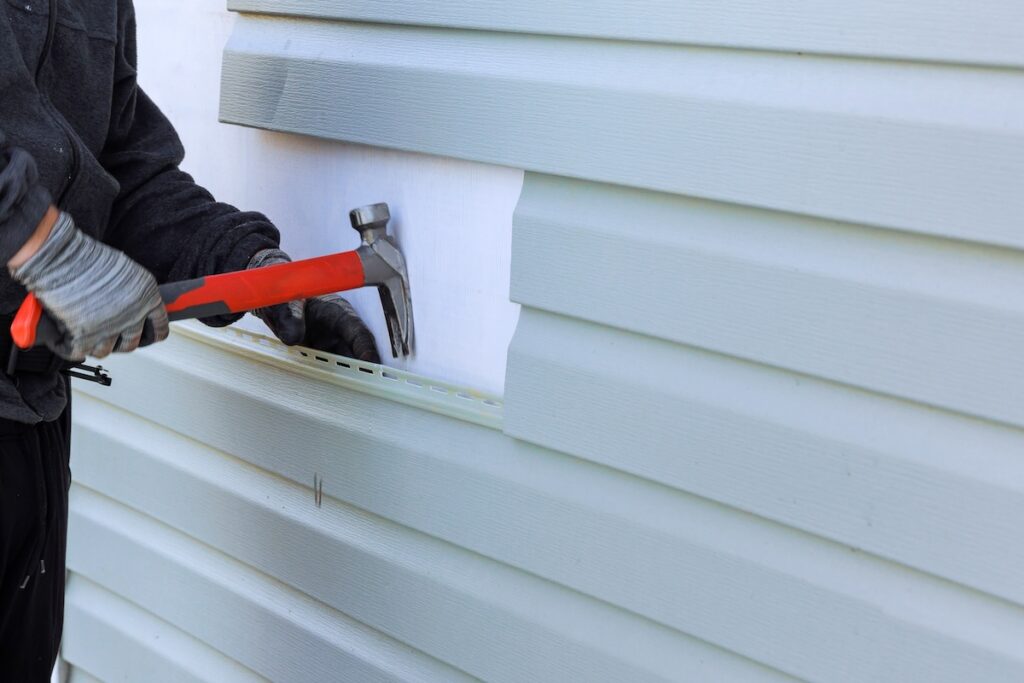
⏰ Average Lifespans Of Common Siding Materials
Different siding types have very different replacement timelines. Here’s how the most popular materials stack up.
Vinyl Siding
- Lifespan: 20–30 years on average.
- Strengths: Affordable, low maintenance, available in many colors.
- Weaknesses: More prone to warping and fading compared to premium options.
Fiber Cement Siding
- Lifespan: 40–50 years or longer.
- Strengths: Extremely durable, fire-resistant, resists pests and rot.
- Weaknesses: Heavier material that requires professional installation.
Engineered Wood Siding
- Lifespan: 25–30 years with proper care.
- Strengths: Mimics real wood while offering added moisture and pest resistance.
- Weaknesses: Needs occasional painting or sealing to maintain protection.
Natural Wood Siding
- Lifespan: 15–40 years, depending on upkeep.
- Strengths: Beautiful, timeless look that adds charm.
- Weaknesses: Requires frequent maintenance and is vulnerable to pests and rot.
Metal Siding (Steel or Aluminum)
- Lifespan: 40–50 years.
- Strengths: Strong, fire-resistant, and recyclable at the end of its life.
- Weaknesses: Can dent easily and may fade if not properly finished.
Stucco
- Lifespan: 50+ years when installed and maintained correctly.
- Strengths: Long-lasting, energy-efficient, and versatile in style.
- Weaknesses: Best suited for dry climates; moisture can cause cracking.
👉 Factors That Affect Siding Longevity
Even within the same material type, some siding lasts longer than others depending on several key factors.
Climate And Weather
- Harsh winters: Freeze-thaw cycles can crack weaker materials.
- Hot summers: Prolonged UV exposure fades and weakens siding.
- Storm activity: Hail, wind, and debris cause physical damage.
Installation Quality
- Correct spacing: Allows for natural expansion and contraction.
- Proper sealing: Prevents moisture intrusion behind the siding.
- Experienced contractors: Certified professionals extend siding life.
Maintenance Habits
- Regular cleaning: Removes dirt, mildew, and buildup.
- Prompt repairs: Fixing cracks or chips prevents larger issues.
- Protective coatings: Repainting or sealing extends certain siding’s lifespan.
⚠️ 4 Signs Your Siding Needs To Be Replaced
Sometimes siding reaches the end of its natural lifespan, but other times visible issues are a clear signal that it’s time for replacement.
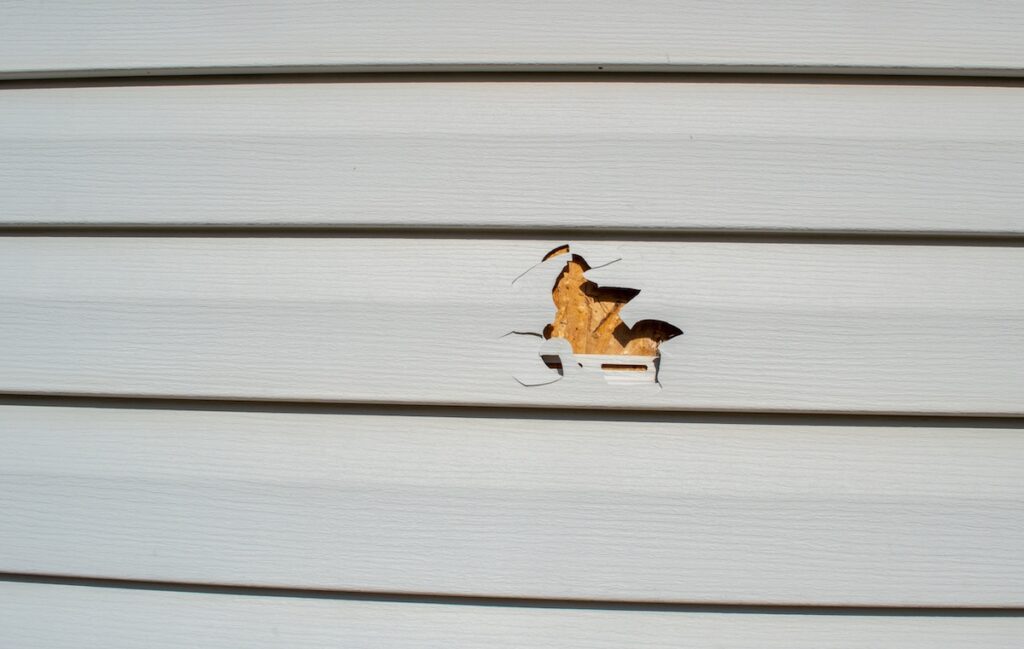
1. Visible Damage
- Cracks, chips, or holes: Allow water and pests to infiltrate.
- Warping or buckling: Indicates structural failure or poor installation.
2. Fading And Staining
- Sun bleaching: Extreme fading reduces curb appeal.
- Persistent stains: Could be signs of water intrusion or mold growth.
3. Rising Energy Bills
- Poor insulation: Old siding may allow heat loss in winter and heat gain in summer.
- Drafts indoors: Indicate siding gaps or failing insulation behind panels.
4. Interior Issues
- Peeling paint or wallpaper: Suggests moisture entering walls.
- Mold or mildew odors: A red flag for hidden water damage.
⏳ How To Extend The Life Of Your Siding
While replacement is inevitable, you can maximize the lifespan of your siding with proper care and maintenance.

Keep It Clean
- Annual rinsing: Use a garden hose to wash off dirt and debris.
- Spot cleaning: Address mildew or stains promptly with mild soap.
Inspect Regularly
- Seasonal checks: Look for damage after major storms.
- Proactive repairs: Replace small sections before problems spread.
Protect From Landscaping
- Trim vegetation: Prevent branches from scratching or trapping moisture.
- Redirect sprinklers: Keep water from hitting siding directly.
⭐️ When Replacement Is The Smarter Choice
At some point, repairs and repainting become less cost-effective than full replacement. Consider upgrading when:
- Repairs are becoming frequent and expensive.
- The siding no longer complements your home’s style or neighborhood.
- You’re preparing to sell and want to maximize curb appeal and value.
Modern siding materials not only last longer but also improve energy efficiency, making replacement a smart investment that pays off over time.
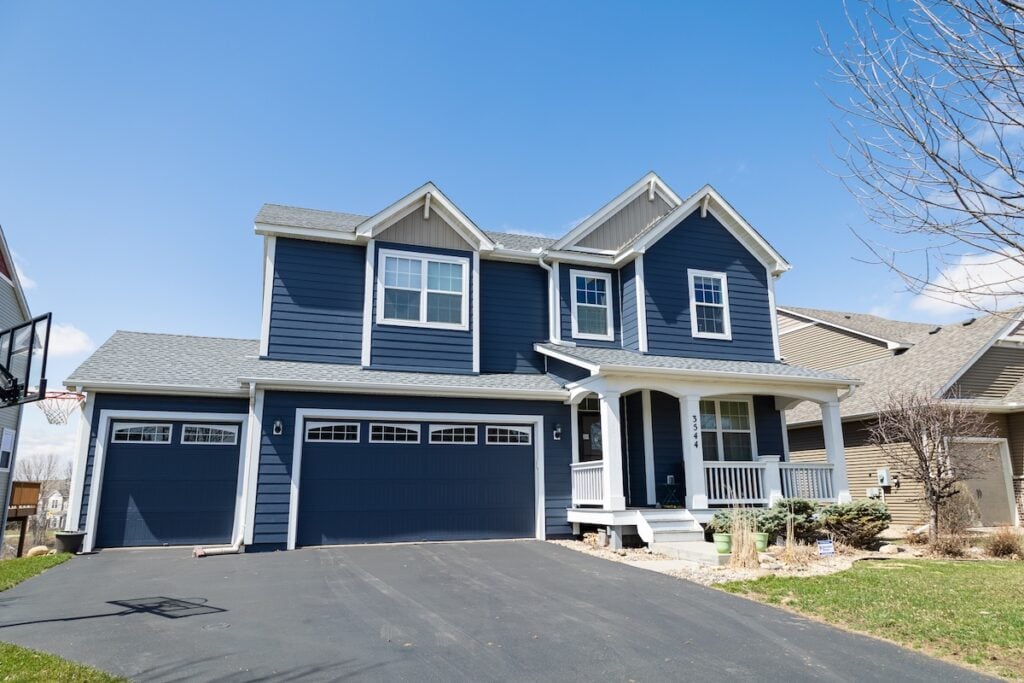
🪵 Choosing The Right Replacement Material
If it’s time for new siding, consider both durability and style when choosing a material.
Long-Term Performance
- Fiber cement and metal: Best for extreme durability.
- Engineered wood and vinyl: Great balance of affordability and resilience.
Style Preferences
- Wood and engineered wood: Provide warmth and natural charm.
- Fiber cement and stucco: Offer a variety of finishes, from sleek to rustic.
Environmental Impact
- Metal and fiber cement: Recyclable and sustainable.
- Engineered wood: Uses wood fibers efficiently for reduced waste.
🤝 Why Work With Professionals
Even the best siding won’t perform well if installed incorrectly. Working with experienced contractors ensures:
- Correct spacing and fastening to prevent warping.
- Proper flashing and sealing to block moisture.
- Warranty protection from both manufacturer and installer.
DIY siding projects often lead to costly mistakes that shorten lifespan and reduce performance. Professional installation is the safest way to protect your investment.
👍 Plan Ahead For A Lasting Exterior
So, how often does siding need to be replaced? The answer depends on the material and how well it’s been maintained, but the general range is 20 to 50 years. Keeping up with inspections, cleaning, and minor repairs can extend siding’s life, while knowing the warning signs ensures you replace it before bigger problems arise.
At Voyager Exteriors, we specialize in helping homeowners choose the best siding replacement option for their home’s style, budget, and long-term needs. Whether you’re interested in fiber cement, engineered wood, or another material, our certified team ensures flawless installation and lasting results. Contact us today for a free estimate and take the first step toward a stronger, more beautiful exterior.